
School Readiness & Development: Preparing Children for the school year
Preparing a child for school is about far more than academics. True school readiness is a holistic process that nurtures cognitive growth, social-emotional development, physical skills, independence, and a genuine love of learning. Intentional preparation can make the transition into structured learning smoother, more confident, and more joyful for children of all ages.
At All Together Wellness, our programming is thoughtfully designed to meet children where they are developmentally while supporting families through every stage of growth. Below, we explore what school readiness really means, how development evolves across early childhood and elementary years, and how our programs help children thrive.
What Is School Readiness?

School readiness refers to a child’s ability to successfully engage in and adapt to a learning environment. While early literacy and numeracy are important, readiness also includes:
Social-emotional skills: Managing emotions, following routines, taking turns, and building relationships
Communication skills: Expressing needs, listening, and understanding directions
Physical development: Fine motor skills (writing, cutting) and gross motor skills (balance, coordination)
Cognitive skills: Curiosity, problem-solving, attention, and early academic concepts
Independence and self-help skills: Dressing, toileting, cleaning up, and transitioning between activities
Children develop these skills at different rates, and readiness is not a single milestone—it is a journey supported by consistent, developmentally appropriate experiences.
Early Learning Foundations
The early years are a critical window for brain development. During ages 2–4, children are rapidly forming connections that lay the groundwork for future learning, behavior, and health.
Key Developmental Focus Areas
1. Social-Emotional Growth
Young children begin learning how to identify emotions, engage in parallel and cooperative play, and build trust with caregivers and peers. These skills support smoother transitions into group learning environments.
2. Language & Communication
Vocabulary expands quickly during these years. Through songs, stories, play-based conversations, and guided interactions, children learn to express themselves and understand others.
3. Motor Development
Climbing, jumping, drawing, stacking, and manipulating small objects strengthen the body and brain connection. Strong motor skills support confidence and independence.
4. Early Cognitive Skills
Sorting, counting, matching, and pretend play help children develop memory, attention, and problem-solving abilities.
Supporting Early Learning
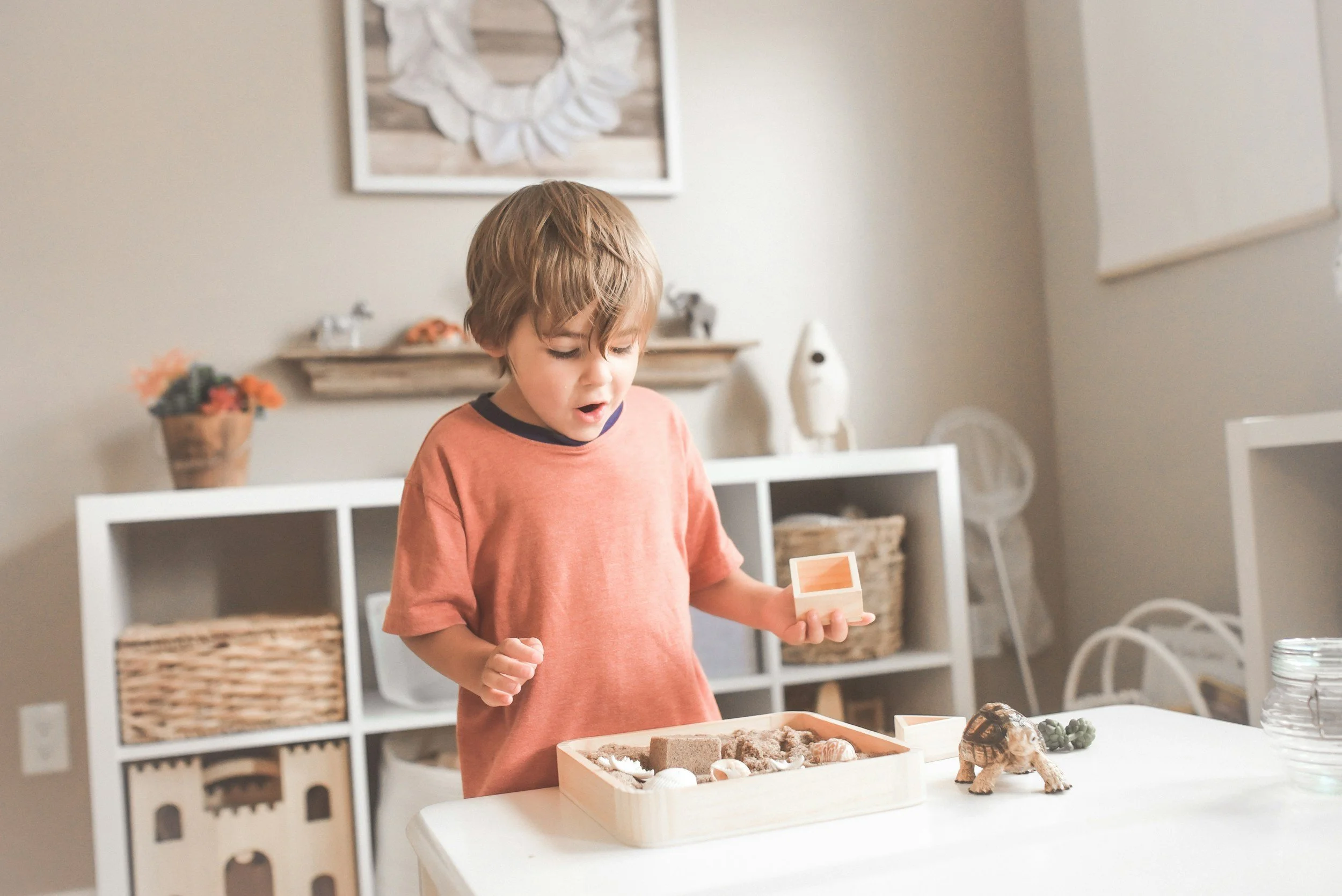
Our Early Learning Program is designed to support these foundational skills through a play-based, nurturing, and developmentally informed approach. Children engage in:
Structured and unstructured play that promotes exploration
Group activities that build social skills and routines
Language-rich experiences through stories, songs, and movement
Activities that support fine and gross motor development
By focusing on the whole child, our program helps young learners build confidence, curiosity, and readiness for future academic settings.
Growing Skills & Independence
As children move into the school-age years, development becomes more complex. Cognitive demands increase, social relationships deepen, and expectations for independence grow.
Key Developmental Focus Areas
1. Executive Functioning
Skills such as attention, organization, planning, and emotional regulation are critical for academic success. These skills continue to develop well into adolescence and benefit from explicit support.
2. Academic Skill Development
Reading, writing, math, and critical thinking skills are built progressively. Children benefit from individualized pacing and hands-on learning opportunities.
3. Social Skills & Emotional Regulation
Peer relationships become more important, and children learn collaboration, conflict resolution, and self-advocacy.
4. Physical & Sensory Development
Movement remains essential for focus, regulation, and overall well-being. Active bodies support active minds.
Supporting Growth in the School-Age Years
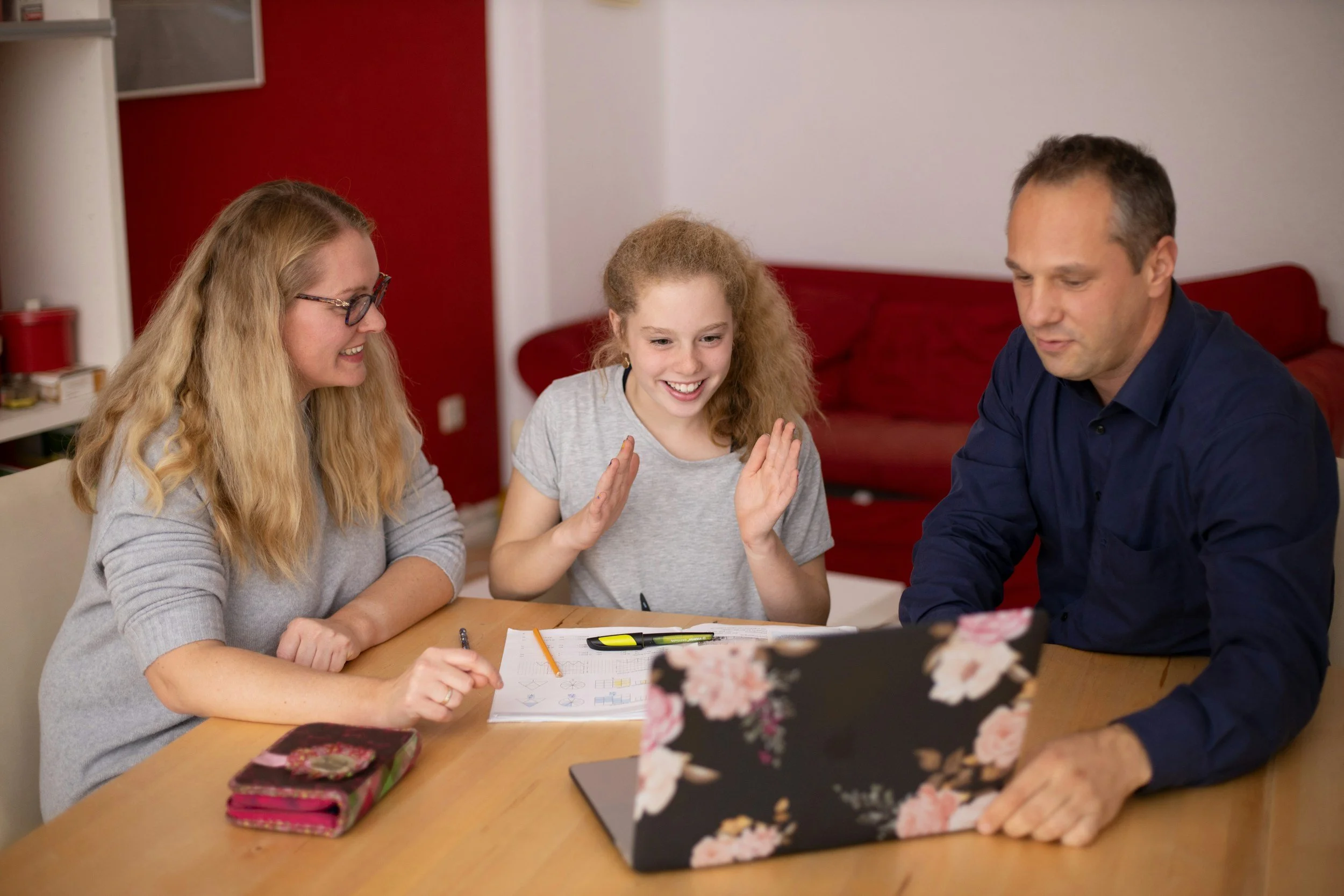
Our homeschool co-op offers a supportive, community-based learning environment that complements home education. Designed with development in mind, the co-op provides:
Enrichment-focused learning experiences
Opportunities for collaboration and peer interaction
Support for executive functioning and independence
Hands-on activities that integrate movement and learning
The co-op allows children to grow academically and socially while honoring individual learning styles and family values.
Supporting Ongoing Development and Readiness
Preparing for the upcoming school year begins long before the first day of class. Families can support readiness by:
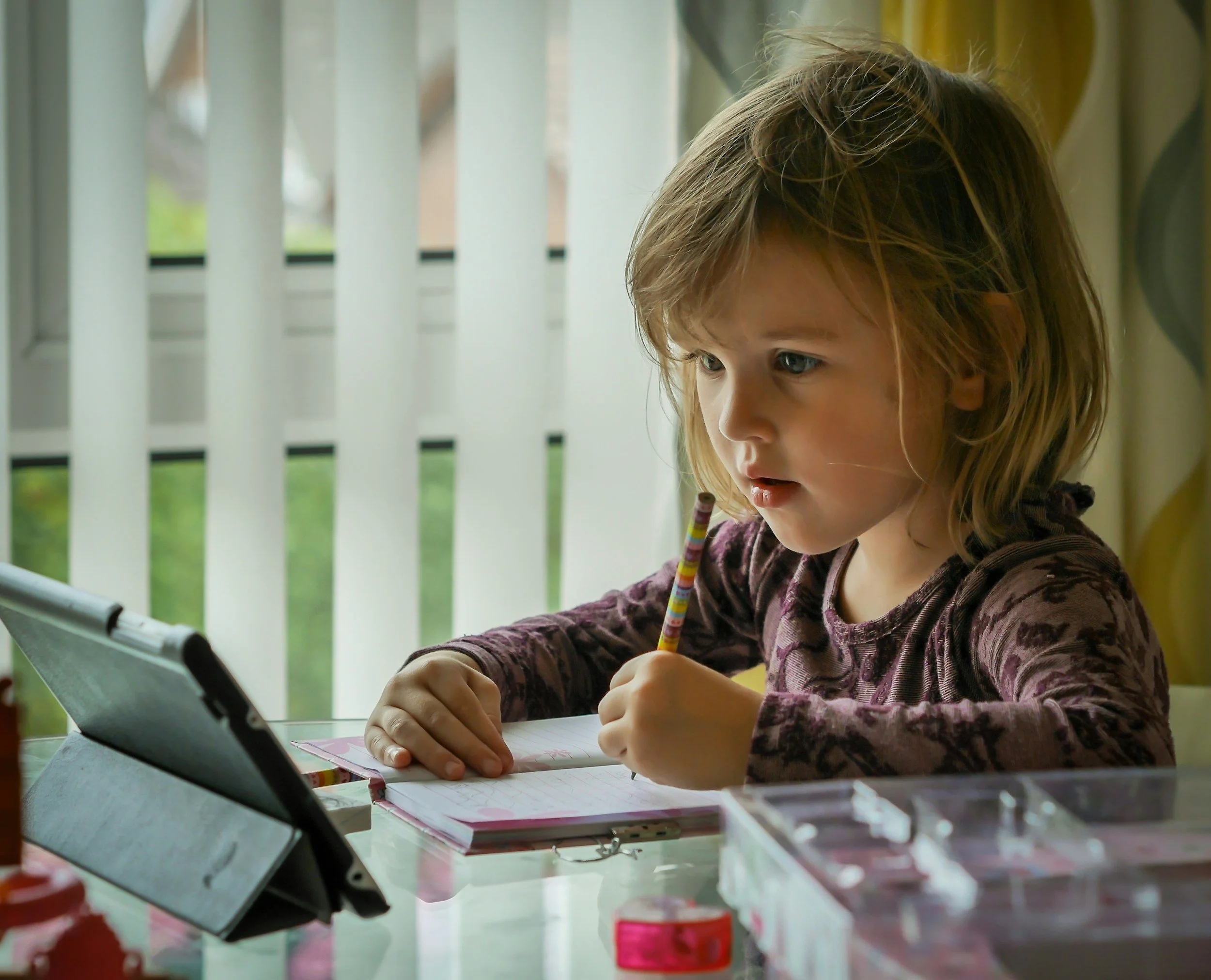
Establishing consistent routines
Encouraging independence in daily tasks
Providing opportunities for play, movement, and social interaction
Reading together regularly
Supporting emotional expression and problem-solving
Our Early Learning Program and Homeschool Co-op are designed to partner with families during this preparation process, offering guidance, structure, and a supportive community.
Partnering With Families for Lifelong Learning
At All Together Wellness, we believe that children thrive when families, educators, and wellness professionals work together. Our programs are intentionally created to support development at every stage, helping children build the skills they need not just for school—but for life.
We invite families to focus on fostering confident, capable, and curious learners through developmentally supportive environments that honor each child’s unique strengths and needs.
Together, we can lay a strong foundation for growth, independence, and a lifelong love of learning.
