
Love Yourself Through Pelvic Health: Why Pelvic Care Is Whole-Body Care
As an occupational therapist specializing in pelvic health, I’ve learned this truth again and again—you cannot separate the pelvis from the rest of the body, or from the person living in it.
Pelvic care isn’t just about bladder control, bowel habits, or pain with intimacy. It’s about how you breathe, how you move, how you hold stress, how you rest, how you feel in your body, and how safe and supported your nervous system feels.
When we talk about pelvic health, we are really talking about whole-body care—and self-love in its most practical form.
Your Pelvis Is the Center of Your Life
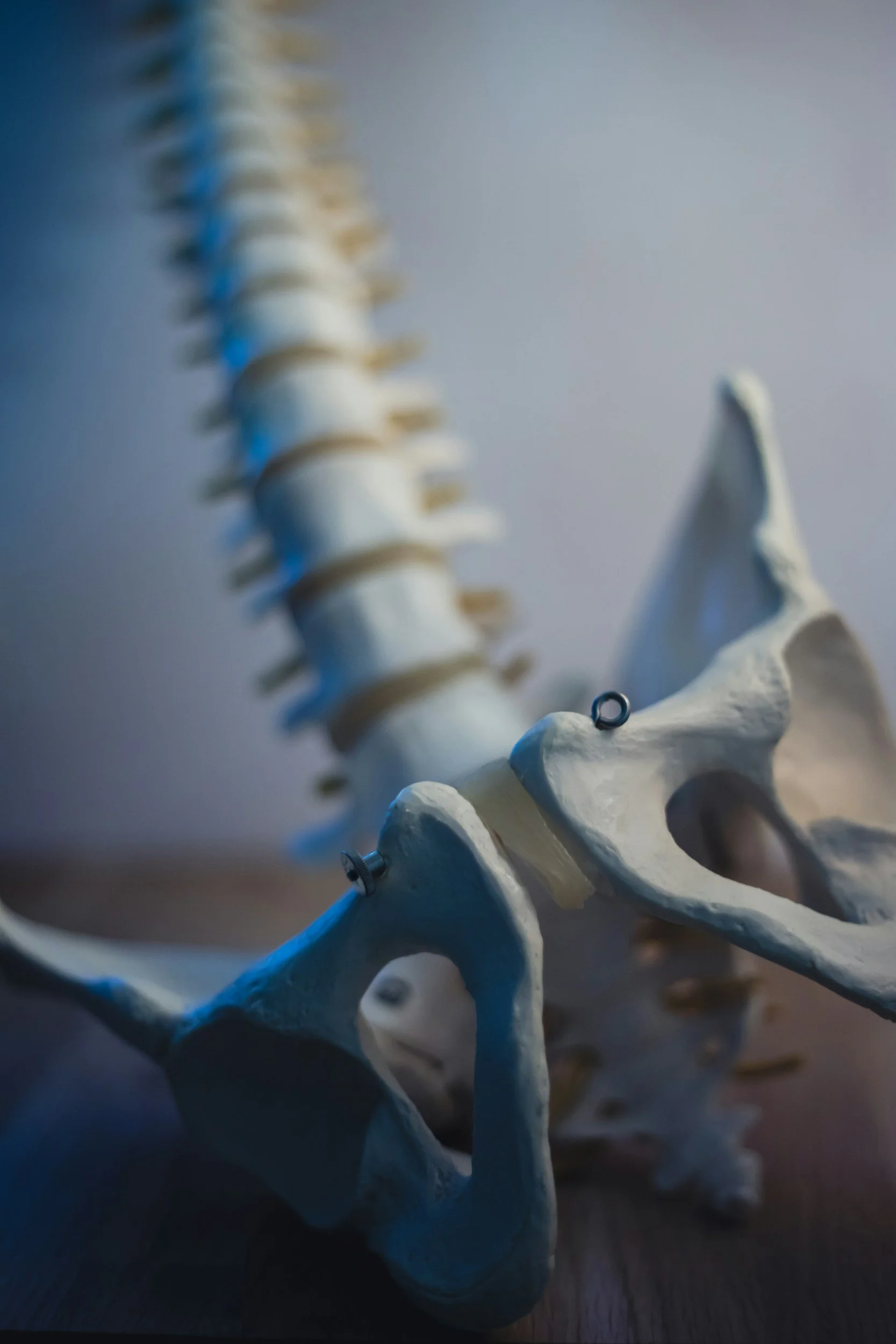
Anatomically, the pelvis is a hub. It connects your spine to your legs, supports your organs, and houses muscles and nerves essential for continence, sexual health, stability, and posture.
But functionally?
Your pelvis reflects how you live.
How you sit at your desk
How you brace through stress
How you breathe (or don’t)
How you recover after childbirth, surgery, or trauma
How you’ve learned to hold—or ignore—your body’s signals
Pelvic symptoms are often the body’s way of saying: something needs support here.
Pelvic Health Is Nervous System Health
Many people are surprised to learn that pelvic floor dysfunction isn’t always about weakness—it’s often about overactivity and protection.
Chronic stress, trauma, perfectionism, caregiving overload, and “pushing through” life can all keep the pelvic floor in a guarded state. When your nervous system lives in fight-or-flight, your pelvic muscles follow suit.
That’s why pelvic care includes:
Breathwork
Regulation strategies
Gentle mobility
Awareness and pacing
Feeling safe in your body again
You can’t strengthen a muscle that doesn’t feel safe enough to let go first.
Whole-Body Symptoms, Pelvic Roots
Pelvic dysfunction rarely exists in isolation. I often see it connected to:

Low back or hip pain
Neck and jaw tension
Headaches
Digestive issues
Sleep disruption
Anxiety or chronic fatigue
The body is brilliantly interconnected. When we address pelvic health through a whole-body lens—movement, posture, habits, emotions, and environment—we often see changes far beyond the pelvis.
This is occupational therapy at its core: supporting the way your body functions within real life.
Pelvic Care Is an Act of Self-Respect
Many people wait years to seek pelvic care. They normalize pain, leakage, pressure, or discomfort because they’ve been told it’s “just part of being a woman,” “normal after babies,” or something to tolerate quietly.
Pelvic care says:
You deserve comfort.
You deserve ease.
You deserve to feel at home in your body.
Choosing pelvic health is choosing to listen—to your body’s cues, boundaries, and needs. That’s not indulgent. That’s essential.

Healing Is Not Just Physical—It’s Relational
Pelvic health work often invites reconnection:
With your body
With your breath
With your sense of agency
With intimacy and pleasure
With rest and recovery
Healing doesn’t mean “fixing” yourself. It means learning how to support yourself differently.
And that kind of healing ripples outward—into how you parent, work, move, relate, and live.
Love Yourself From the Inside Out
Pelvic health is not a niche specialty. It’s foundational care.
When you tend to your pelvic health, you are caring for:
Your core
Your nervous system
Your movement patterns
Your emotional well-being
Your quality of life

That is whole-body care.
That is whole-person care.
That is self-love in action.
If you’ve been ignoring the whispers from your body, pelvic health is an invitation to listen—with compassion, curiosity, and support.
Ready to care for your pelvic health in a truly whole-body way?
Our done-for-you Whole-Body Pelvic Floor Program launches later this month and will be available to a small, carefully selected group of women. Join the waitlist now to be the first to receive details and secure early access—spaces will be limited.