
Flexible Feeding: Supporting Confident, Nourished Families
“Dinner is ready!” And almost instantly, the resistance begins — the gagging, the meltdown, the negotiation, or the complete refusal. You’ve tried “just one bite.” You’ve tried bribery. You’ve made separate meals. You’ve hidden vegetables. And now you’re exhausted.

If this feels familiar, you are not alone. Nearly one in three parents report stress related to feeding, and mealtime anxiety affects the entire family system. This is not a parenting failure. And more often than not, the issue isn’t simply the food itself. It’s pressure layered on top of sensory sensitivities, oral motor challenges, gut discomfort, and nervous system overload. Eating is a whole-body experience — it requires coordination, regulation, digestion, and emotional safety. When a child’s body feels overwhelmed, eating can quickly shift from a natural process to a stressful one.
Why Pressure Backfires (Even When We Mean Well)
As parents, we push because we care. We worry about nutrition, growth, brain development, and whether our child is “getting enough.” Food feels high stakes, so when a child refuses it, our instincts kick in. We negotiate. We insist. We try to encourage just one more bite. But children eat best when they feel safe, not forced. When pressure enters the picture, the nervous system shifts into a stress response. Appetite decreases. Curiosity shuts down. Defensiveness increases.
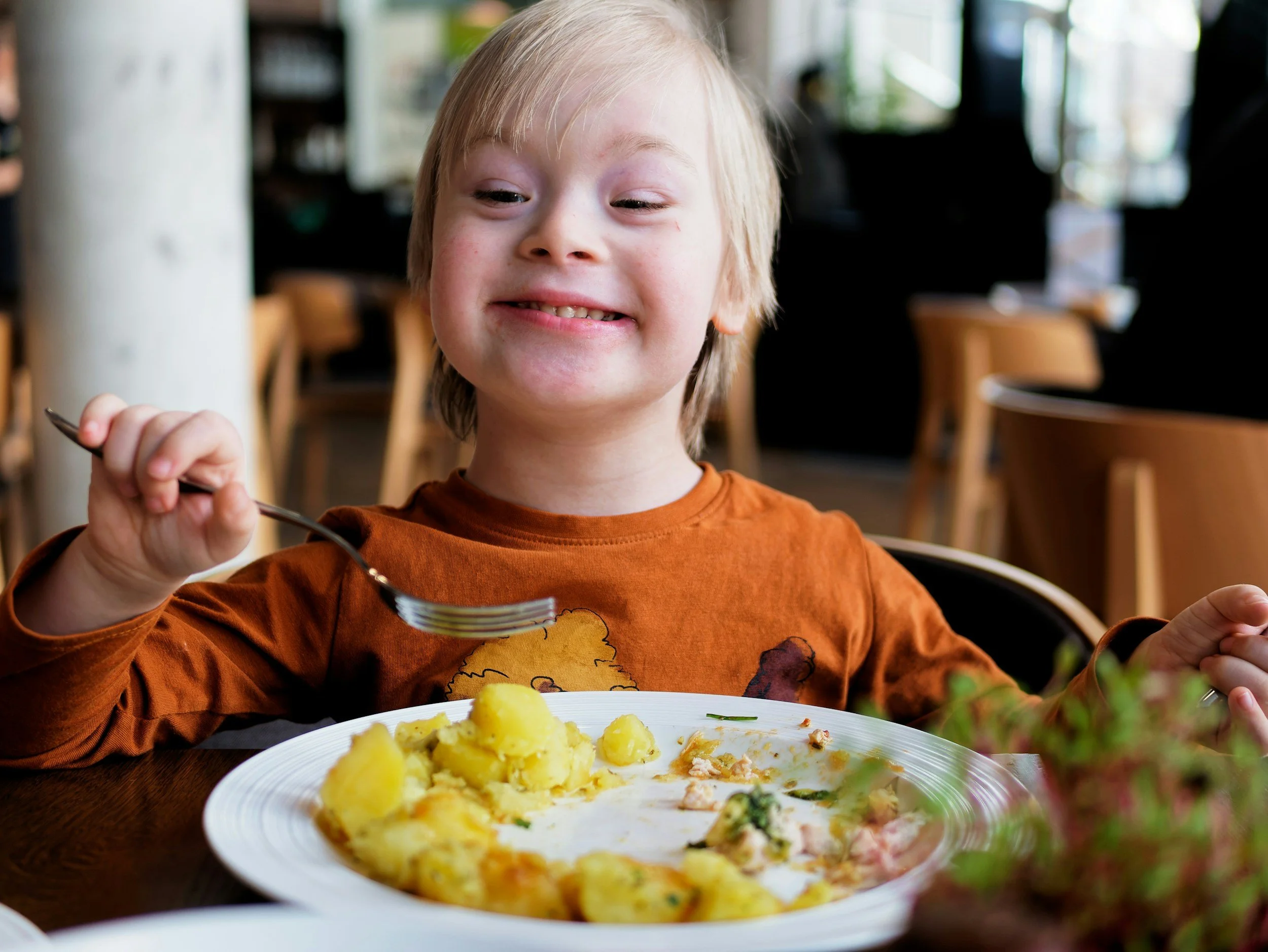
Over time, repeated power struggles at the table and negative feeding experiences can wire the brain to associate food with stress. That’s how short-term resistance can turn into long-term food aversions or “picky eating”. The good news is that the opposite is also true. When children can explore food in a safe and secure setting their nervous system stays regulated. When their nervous systems stay regulated, kids are more open to exploring new things - such as unfamiliar foods. We can then offer opportunities to create new connections associating food with fun and exploration through flexible feeding.
What is Flexible Feeding
Flexible Feeding is a responsive, developmentally informed approach to helping children build confidence around food. It recognizes that eating is a skill that develops over time, and every child moves at a different pace. This approach is structured, but not stressful. It creates predictability at meals while honoring a child’s temperament, sensory preferences, and developmental stage.

Instead of asking, “How do we make them eat this?” we ask, “What skills will make this easier?” That may mean building tolerance to new textures, increasing comfort with unfamiliar foods, or strengthening chewing and oral motor skills. Rather than focusing on control or volume, Flexible Feeding emphasizes skill-building and gradual, pressure-free exposure.
We shift from “eat this now” to “let’s create positive experiences with food.” The goal isn’t short-term compliance — it’s long-term trust, flexibility, and confidence at the table.
5 Simple Shifts You Can Start Tonight
There are practical changes you can begin immediately. Removing the “one more bite” rule lowers pressure and allows exposure without stress. Offering at least one safe food at each meal reduces anxiety and increases willingness to stay at the table. Serving meals family-style when possible builds autonomy and curiosity. Shrinking portion sizes makes new foods feel less overwhelming. And focusing on skills rather than volume reframes progress — touching, smelling, licking, chewing, and even spitting out are all steps forward.
Progress with feeding is rarely linear — it’s developmental.
When Picky Eating is More Than a Phase

While many children go through normal phases of selective eating, there are times when extra support can make a meaningful difference. Signs that it may be more than a phase include an extremely limited variety of accepted foods, frequent gagging, strong texture aversions, visible anxiety at the table, refusal of entire food groups, avoiding social situations revolving around food, or showing minimal weight gain.
When feeding challenges persist or intensify, it’s often not only about behavior or defiance. It may signal underlying sensory sensitivities, skill delays, or regulation difficulties that need a closer look. With the right support and a thoughtful plan, many children can make steady, confidence-building progress.
Introducing our Flexible Feeding Program
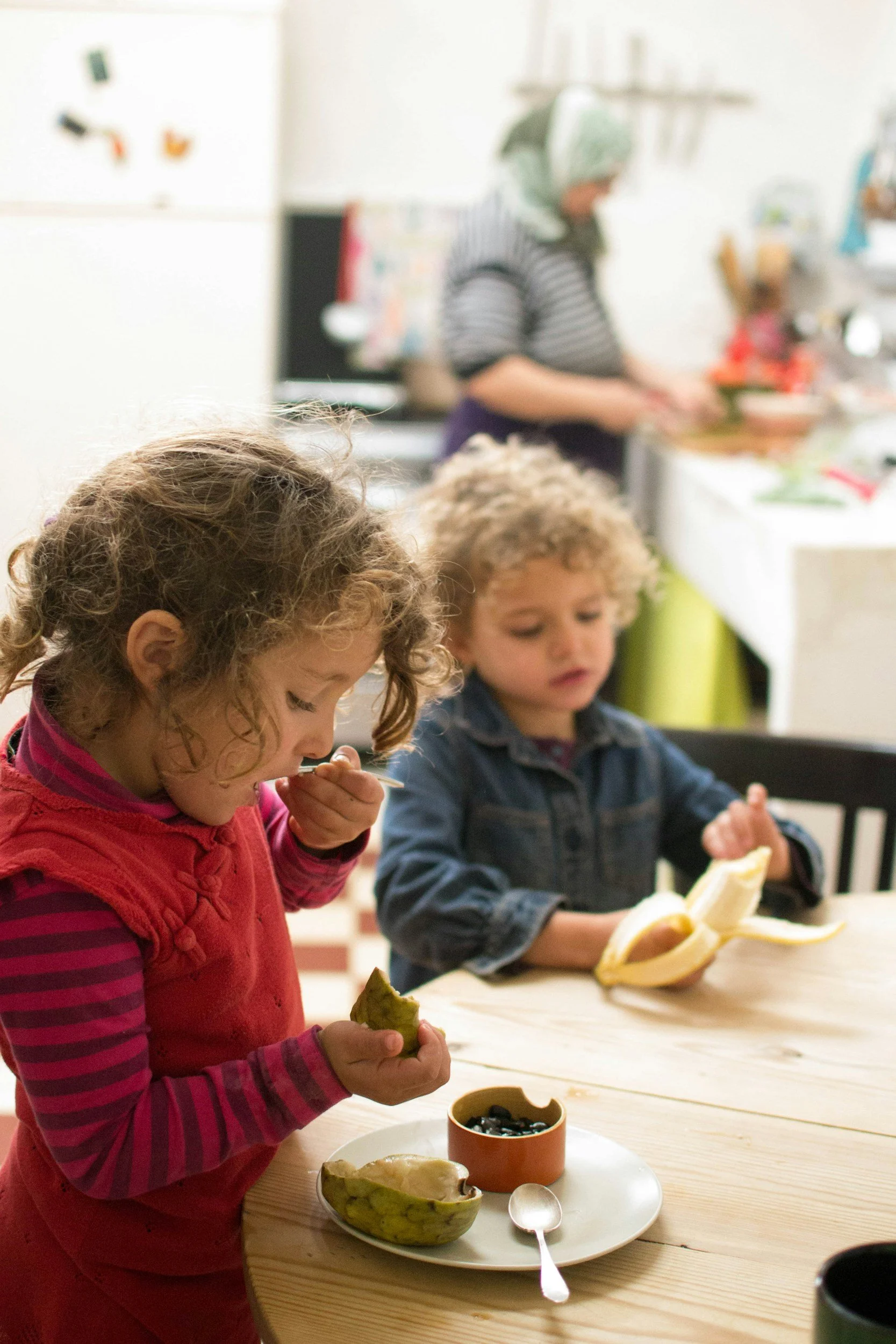
Our Flexible Feeding Program -Foundations for Flexible Eating- was designed for real families navigating real mealtime stress. It is a pressure-free, evidence-informed approach built by a pediatric feeding therapy expert. It focuses on long-term confidence rather than short-term compliance through removing the pressure from eating and encouraging positive connections between your child and food.
Families can receive individualized guidance, practical tools, and a clear roadmap for reducing stress and expanding variety over time. The goal is simple: calmer meals, more confidence, and a child who feels safe exploring food.
Meal Time Stress Stops Now
You don’t have to endure another stressful dinner filled with tension, tears, or power struggles. It’s possible for mealtime to feel calm, predictable, and even enjoyable — for both you and your child. With the right support, your child can gradually build confidence around food, explore new tastes and textures, and develop skills — all without pressure or force.
Our Flexible Feeding Program is designed to guide families through this process with evidence-informed strategies and individualized support. Looking to get started now, download our course to help your child enjoy feeding today! Needing more support? Book a one-on-one feeding assessment today.
Feeding your child shouldn’t feel like a daily battle. It should feel like connection — a chance to nurture skills, curiosity, and confidence at the table, while strengthening your bond as a family. With guidance and support, calmer, happier meals are within reach.