
Pelvic Health and the Core: The Foundation of Strength, Stability, and Whole-Body Wellness
When people think about “core strength,” they often picture toned abs or a strong back. But the true core goes much deeper. At the center of your body lies a powerful, interconnected system of muscles that supports nearly every movement you make—your pelvic floor, deep abdominal muscles, diaphragm, and spinal stabilizers. Together, these muscles form the foundation of pelvic health and core stability, influencing posture, balance, breathing, bladder and bowel control, and even confidence in daily life.

Understanding and supporting pelvic health is essential for people of all ages and stages of life. Whether you are postpartum, navigating menopause, recovering from injury, managing chronic pain, or simply looking to move and feel better, pelvic health and core strength play a critical role in overall wellness.
What Is Pelvic Health?
Pelvic health refers to the function and well-being of the muscles, ligaments, and connective tissues that support the organs in the pelvis, including the bladder, bowel, and reproductive organs. The pelvic floor is a group of muscles at the base of the pelvis that works continuously—often without us realizing it—to provide support, stability, and control.
A healthy pelvic floor helps with:
Bladder and bowel control
Sexual function and comfort
Core stability and posture
Support during pregnancy and postpartum recovery
Safe and efficient movement
When these muscles are weak, tight, or not coordinating properly, symptoms can arise such as leakage, pelvic pain, pressure, discomfort with movement, or difficulty engaging the core.
The Core: More Than Just Abdominals
The core is best understood as a cylinder of support rather than a single muscle group. This “core canister” includes:
The diaphragm (top): plays a key role in breathing and pressure management
The deep abdominal muscles (front and sides): especially the transverse abdominis
The pelvic floor (bottom): supports internal organs and controls pressure
The spinal stabilizers (back): help maintain posture and alignment
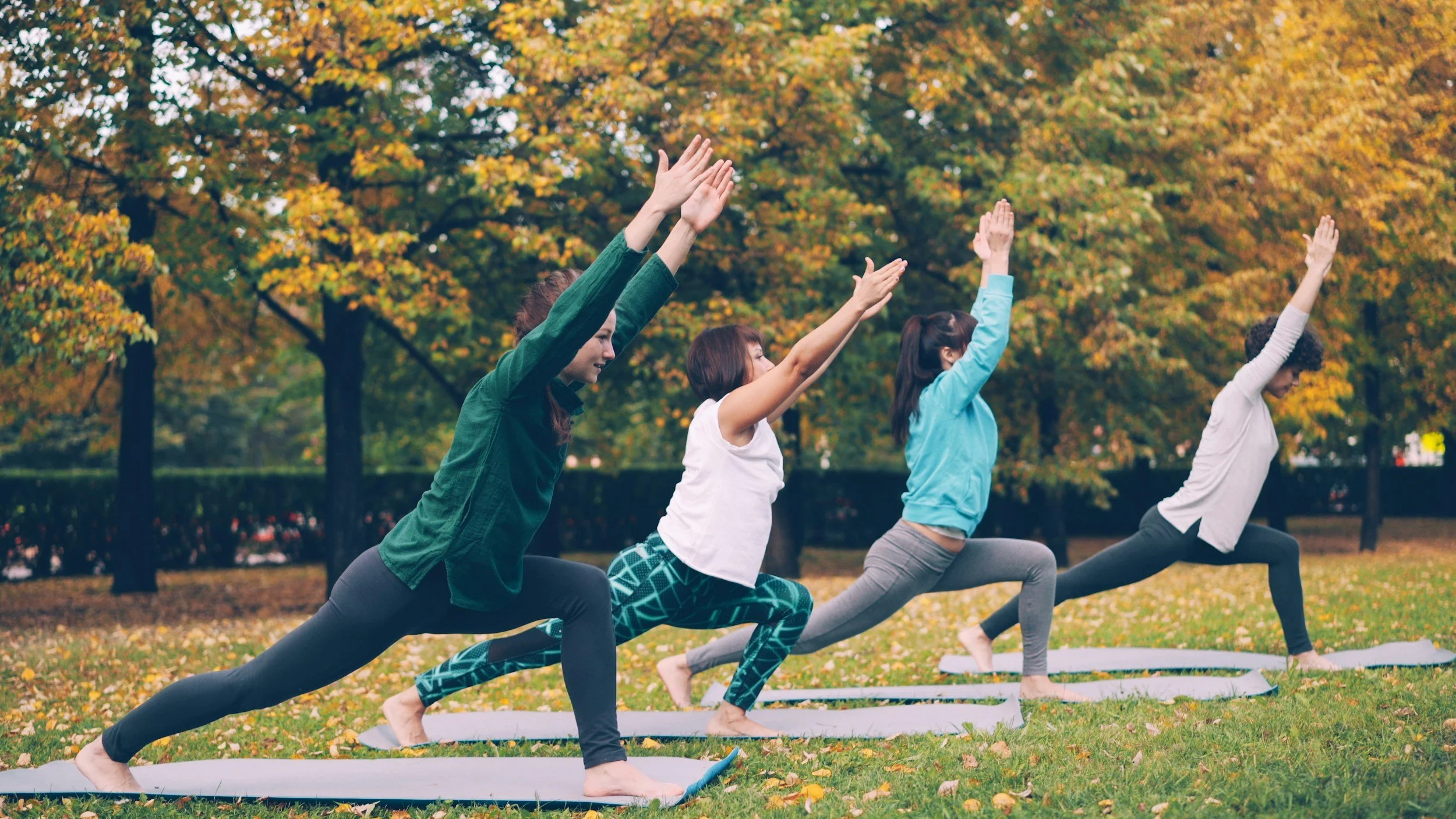
These muscles work together to manage pressure within the abdomen and pelvis, allowing you to move efficiently and safely. When one part of the system is not functioning optimally, other areas often compensate, which can lead to pain, dysfunction, or injury over time.
Why Pelvic Health and Core Strength Matter in Everyday Life
Pelvic health and core stability affect far more than exercise performance. They are involved in nearly every daily activity, including:
Sitting and standing
Walking, lifting, and bending
Coughing, laughing, or sneezing
Breathing deeply and managing stress
A strong, coordinated core supports the spine, reduces strain on joints, and improves balance and coordination. It can also enhance athletic performance, prevent injury, and make daily tasks feel easier and more comfortable.
Common Myths About Pelvic Health
Despite its importance, pelvic health is often misunderstood. Some common myths include:
“Leakage is normal after childbirth or with aging.”
While common, leakage is not something you simply have to live with. Pelvic floor dysfunction is treatable, and support can make a meaningful difference.
“Kegels are the answer to every pelvic issue.”
Kegels can be helpful for some people, but not all pelvic floor muscles need strengthening. In many cases, muscles may be overactive or tight and require relaxation, coordination, and breathwork instead.
“Pelvic health only matters for women.”
Pelvic health is important for everyone. Men can experience pelvic pain, incontinence, and core dysfunction, especially after surgery, injury, or prolonged stress on the body.
Signs Your Pelvic Health or Core May Need Support
You may benefit from focusing on pelvic health and core function if you experience:

Low back, hip, or pelvic pain
Difficulty engaging your core during movement
Leaking urine or bowel control issues
Pelvic pressure or heaviness
Pain during or after exercise
Discomfort with sitting or standing for long periods
Early support can prevent symptoms from worsening and help restore confidence in movement.
Building a Healthy Core and Pelvic Floor
Improving pelvic health and core strength starts with awareness and intentional movement. Key components include:
Breathing and pressure management
Learning how to breathe effectively helps regulate pressure in the abdomen and pelvis, allowing the pelvic floor and core muscles to work together rather than against each other.
Functional core engagement
True core strength comes from coordinated, gentle engagement during movement—not bracing or holding tension. Functional exercises focus on stability, control, and alignment.
Mobility and relaxation
Just as important as strengthening is learning how to relax and lengthen muscles that may be tight or overactive.
Consistency and guidance
Pelvic health is not a quick fix. Consistent, individualized support can lead to long-term improvements in comfort, strength, and confidence.
A Whole-Body Approach to Wellness

Pelvic health and core strength are deeply connected to overall physical and emotional well-being. When the core functions well, people often experience improved posture, reduced pain, better balance, and a greater sense of control over their bodies. This foundation supports not only physical movement but also confidence, resilience, and quality of life.
By bringing awareness to pelvic health and prioritizing core function, individuals can move through life with greater ease and strength. Whether you are beginning your wellness journey or looking to deepen your understanding of your body, supporting pelvic health is an investment in long-term vitality and whole-body wellness.
