
ADHD, anxiety & gut health: the connection families need to know about
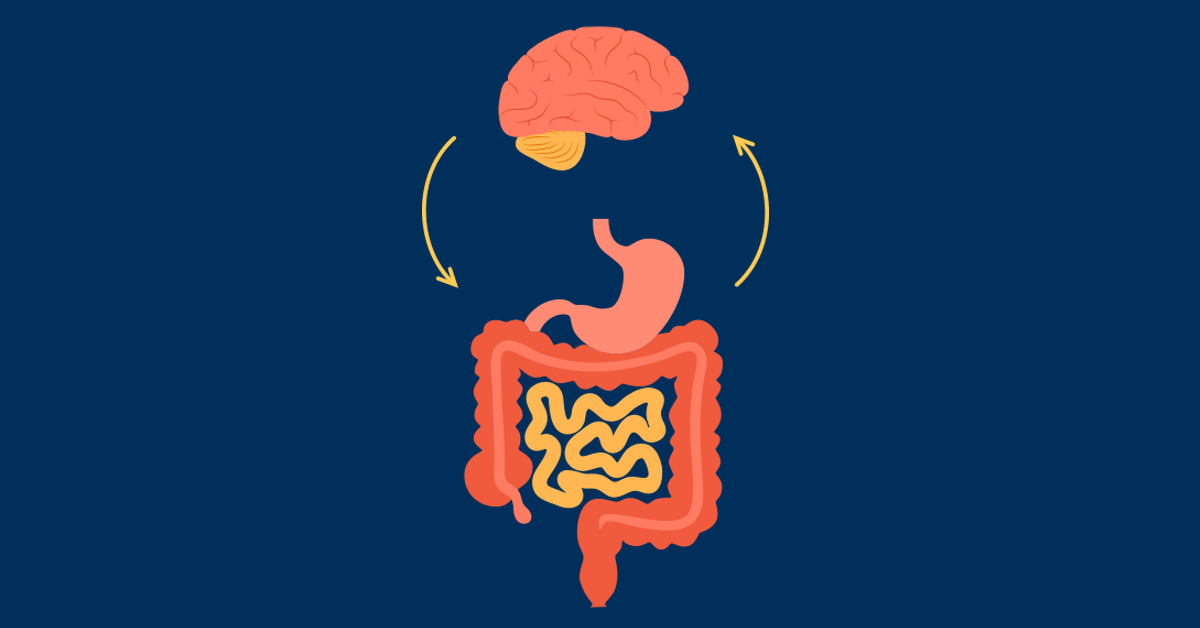
If your child struggles with focus, big feelings, or a worried mind — and also happens to have a stubborn, sensitive gut — I don’t think that’s a coincidence. And neither does the research.
So many of the parents who sit across from me are juggling two conversations at once. One is about attention, impulsivity, or anxiety. The other is about tummy aches, picky eating, constipation, or a gut that just never seems to settle. For years, those two conversations happened in separate offices, with separate specialists, as if the brain and the gut were two unrelated systems. They’re not. And once you understand why, a lot of what you’re seeing in your child starts to make a different kind of sense.
The gut and the brain are one conversation, not two.
Your child’s gut and brain are in constant, two-way communication through what researchers call the gut-brain axis — a network of nerves, hormones, and immune signals running between the digestive system and the central nervous system. The vagus nerve is the main phone line, but it’s not the only one. The trillions of microbes living in your child’s gut are active participants in this conversation too, producing many of the same chemical messengers the brain uses to regulate mood, attention, and stress.
A dysregulated gut can be one more voice telling an already dysregulated nervous system that something isn’t safe.
This is why I never look at behavior in isolation. When a child is anxious, hyperactive, or emotionally reactive, I want to know what’s happening below the surface — because the nervous system doesn’t separate a stressed-out gut from a stressed-out mind. To your child’s body, it can all read as the same signal.
What the research is actually showing
This isn’t a fringe idea anymore — it’s an active, growing area of pediatric research. A few of the threads that matter most for families:
1. Neurotransmitter production
The majority of the body’s serotonin — a key mood and anxiety regulator — is produced in the gut, influenced heavily by microbial activity.
2. Early microbiome shifts
Studies have linked differences in infant gut bacteria to later ADHD diagnoses, suggesting the window for gut health may open earlier than we think.
3. Inflammation as a shared thread
Researchers are finding overlapping inflammatory and dopamine-related pathways connecting gut imbalance with ADHD, anxiety, and mood symptoms.
4. Bidirectional, not one-way
It isn’t just gut affecting brain. A dysregulated nervous system can just as easily disrupt digestion, feeding, and gut motility in return. It’s worth saying clearly: this research is still developing, and no one is suggesting gut health alone explains ADHD or anxiety. Genetics, environment, nervous system development, and so much more all play a role. But for a body already working hard to regulate attention and emotion, an unsettled gut is rarely just a bystander.
Signs the two might be connected in your child
Worth paying attention to: Digestive symptoms — constipation, loose stools, bloating, reflux — that seem to flare alongside stressful days, transitions, or big emotions. A history of picky or restrictive eating that limits gut microbial diversity. Attention or mood symptoms that seem to worsen after certain meals or during digestive flare-ups. Frequent early-childhood antibiotic use, which can significantly reshape the gut microbiome. A nervous system that seems to run "on alert" — both gut and behavior reactive to stress. If several of these sound familiar, it doesn’t mean anything is broken. It means there’s a thread worth pulling on — one that conventional, symptom-by-symptom care can sometimes miss entirely.
A root-cause approach, not a quick fix
This is exactly why we practice functional, whole-body care. Instead of treating attention and anxiety as one problem and digestion as another, we look for where the systems are talking to each other — and where that conversation has gone off track.
What this can look like at ATW: Functional lab work to understand what’s really happening in the gut, nervous system regulation strategies that calm the vagal pathway connecting gut and brain, feeding and oral motor support when restrictive eating is limiting microbial diversity, and nutrition guidance built around your specific child — never a one-size-fits-all elimination diet.
We also collaborate closely across our team, because a child whose attention, anxiety, and gut are all involved rarely needs just one kind of support. That’s the whole idea behind care that comes together, instead of care that happens in isolated pieces.
You know your child better than any chart or checklist ever could. If something in this has been nagging at you, trust that instinct — it’s usually right.
Let’s look at the whole picture
If you’re noticing the gut-brain connection playing out in your own child, our intake team can help you figure out where to start.
