
Peptides and the Future of Natural Health Optimization
Peptides are gaining increasing attention in the world of natural health optimization—and for good reason. As more individuals seek targeted, personalized approaches to healing and longevity, peptides are emerging as powerful tools that work with the body’s own biological systems rather than against them.
But what exactly are peptides, and how do they fit into a holistic, functional medicine framework?
Let’s take a deeper look.
What Are Peptides?
Peptides are short chains of amino acids, the building blocks of proteins. If proteins are long, complex strands, peptides are their smaller, highly specific counterparts. These small but mighty molecules act as signaling agents in the body, telling cells what to do and when to do it.
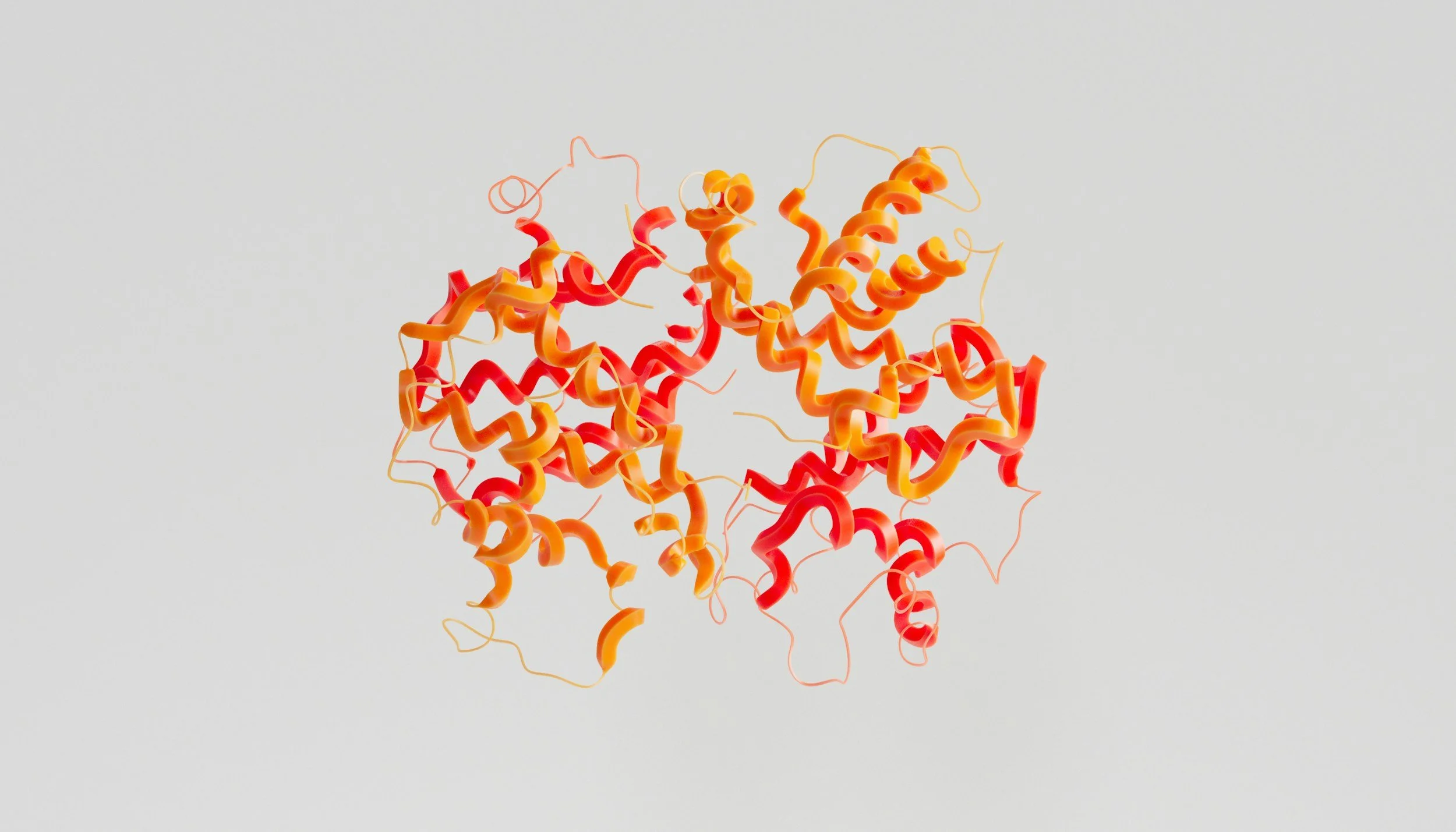
Your body naturally produces peptides that regulate:
Hormone production
Immune function
Inflammation
Tissue repair
Metabolism
Cognitive function
Sleep cycles
In essence, peptides help coordinate communication between systems. When communication is clear and efficient, the body functions optimally. When signaling becomes disrupted—due to stress, aging, toxin exposure, or chronic illness—symptoms and dysfunction can arise.
Peptide therapy aims to restore that communication.
Peptides Through a Functional Medicine Lens
In conventional medicine, treatment often focuses on managing symptoms. In functional and integrative medicine, the goal is to address root causes and restore balance. Peptides align well with this philosophy because they support the body’s innate healing capacity.

Rather than forcing a process to happen, peptides signal the body to regulate itself.
For example:
Certain peptides stimulate growth hormone release naturally instead of replacing it synthetically.
Others modulate immune response rather than suppressing it entirely.
Some enhance tissue repair and reduce inflammation at the cellular level.
This precision makes peptides a compelling option for individuals seeking targeted optimization while maintaining a whole-body approach.
Key Areas Where Peptides Support Natural Health Optimization
1. Cellular Repair and Recovery
As we age, our body’s ability to repair tissue declines. Certain peptides are known for supporting tissue regeneration, wound healing, gut lining repair, and musculoskeletal recovery. This can be especially beneficial for active individuals, those recovering from injury, or those experiencing chronic inflammatory conditions.
Optimizing cellular repair supports resilience and longevity.
2. Hormonal Balance and Metabolism
Hormonal shifts—whether related to aging, stress, or metabolic dysfunction—can impact energy, sleep, weight regulation, and mood.
Some peptides work upstream by signaling the pituitary gland to naturally increase growth hormone production. This can support:
Lean muscle mass
Fat metabolism
Energy levels
Recovery
Sleep quality
When used appropriately and under medical supervision, this approach can support metabolic flexibility without introducing synthetic hormones.
3. Immune Modulation
Chronic inflammation and immune dysregulation are at the root of many modern health conditions. Certain peptides help regulate immune signaling, improving resilience while reducing excessive inflammatory responses.
This can be particularly helpful in individuals dealing with:
Autoimmune tendencies
Chronic infections
Post-viral fatigue
Systemic inflammation
Balanced immune function is foundational to natural health optimization.
4. Cognitive Function and Neuroprotection
Brain fog, poor focus, and memory changes are increasingly common concerns. Some peptides are being studied for their role in neuroprotection, improved cognitive clarity, and enhanced neural repair.
By supporting neuronal signaling and reducing neuroinflammation, peptides may contribute to improved mental performance and long-term brain health.
5. Gut Health and Barrier Integrity
The gut is central to overall wellness. When the intestinal lining becomes compromised, systemic inflammation and immune dysregulation can follow.
Certain peptides are known to support gut lining repair and reduce inflammatory signaling in the digestive tract. For individuals dealing with leaky gut, chronic digestive symptoms, or inflammatory bowel concerns, this can be a powerful adjunct to dietary and lifestyle strategies.
Peptides and Aging: Supporting Longevity Naturally
Aging is not simply the passage of time—it is the gradual decline in cellular communication, repair capacity, and resilience.

Peptides offer a unique opportunity to:
Support mitochondrial function
Enhance tissue regeneration
Improve recovery
Optimize hormone signaling
Reduce inflammatory burden
When combined with foundational lifestyle pillars—nutrition, movement, sleep, stress management, and toxin reduction—peptides can serve as a strategic tool for healthy aging.
They are not a replacement for healthy habits. They are an amplifier.
Are Peptides “Natural”?
This is a common question.
Many peptides used in clinical settings are bioidentical to those your body already produces. They work by mimicking or enhancing natural signaling pathways rather than introducing foreign pharmaceutical compounds that override physiology.
However, quality, sourcing, dosing, and medical supervision are critical. Not all peptides are created equal, and misuse can lead to imbalances. A personalized approach guided by a trained practitioner ensures safety and effectiveness.
Who Might Benefit from Peptide Therapy?
Peptide therapy may be considered for individuals who:
Feel stuck despite optimizing nutrition and lifestyle
Experience persistent fatigue
Struggle with recovery or chronic inflammation
Have hormonal shifts impacting quality of life
Want proactive longevity support
Are seeking a precision-based, root-cause approach

As with any therapy, it should be part of a comprehensive plan—not a stand-alone solution.
The Foundation Still Matters
It’s important to emphasize that peptides are not a shortcut.
They work best when layered on top of:
A nutrient-dense, anti-inflammatory diet
Strategic strength training and movement
Restorative sleep
Nervous system regulation
Reduced toxin exposure
Personalized supplementation when needed
In functional medicine, we build the foundation first. Peptides are a refinement tool—helping the body respond more efficiently once the groundwork has been laid.
The Future of Personalized Wellness

The field of peptide research is expanding rapidly. As we continue to understand cellular signaling and genetic expression more deeply, the ability to tailor interventions to individual biology will only improve.
Natural health optimization is no longer about generic protocols. It’s about precision, personalization, and partnership with your body’s innate intelligence.
Peptides represent a bridge between cutting-edge science and holistic philosophy—supporting the body not by overpowering it, but by reminding it how to function optimally.
