
Occupational Therapy & School Readiness: Building Confident, Capable Learners from the Inside Out
When families think about “school readiness,” they often picture letter recognition, counting to 20, and writing a name independently. While academic foundations certainly matter, true readiness for school goes much deeper. It includes the ability to regulate emotions, sit and attend, follow multi-step directions, engage with peers, manipulate classroom tools, and transition smoothly between activities.
This is where Occupational Therapy (OT) becomes a powerful and often underappreciated bridge between early childhood and lifelong learning.
What Is Occupational Therapy in Early Childhood?
In pediatrics, occupational therapy focuses on helping children develop the foundational skills needed for everyday “occupations” — and for young children, their primary occupation is play and learning.
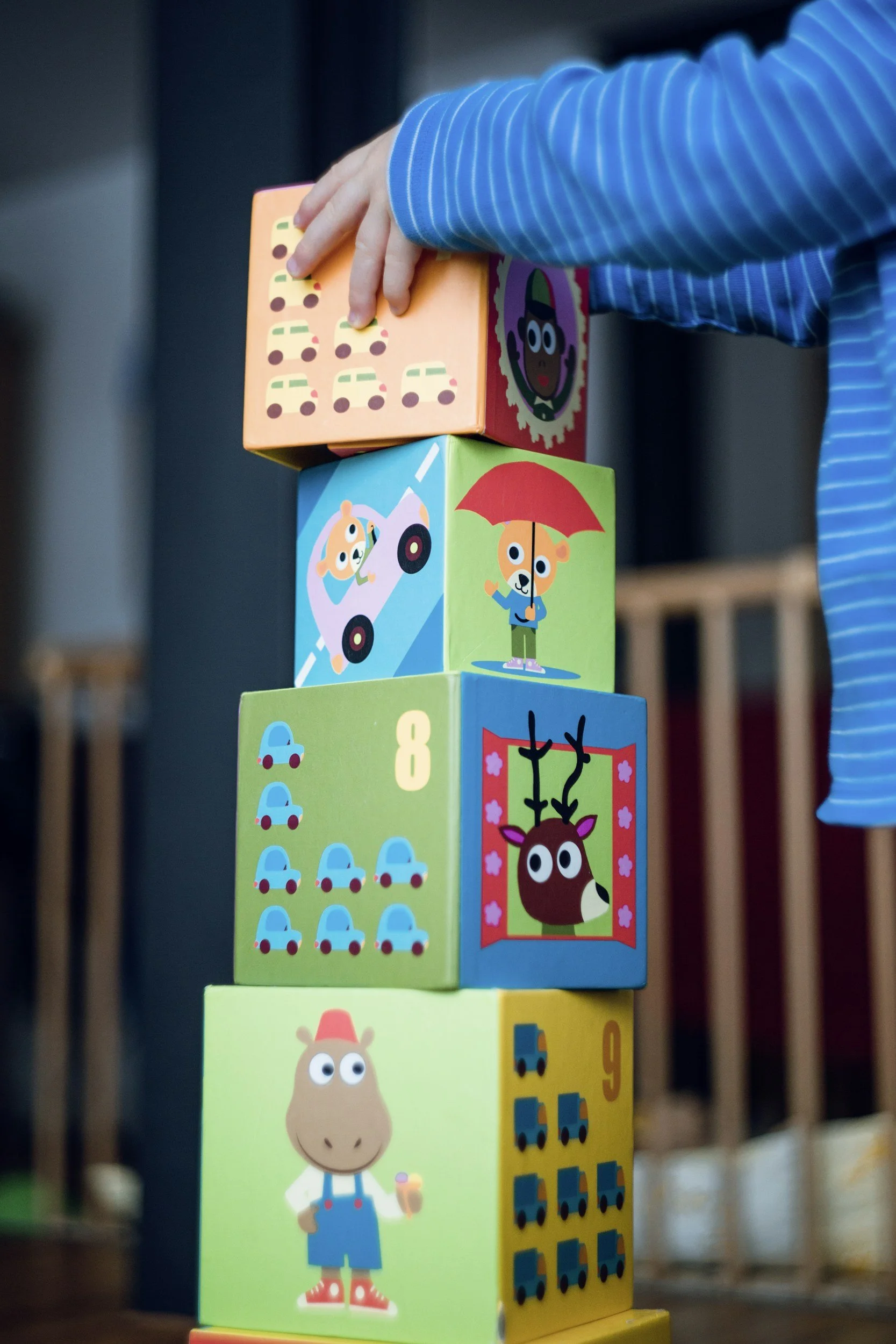
OT addresses the building blocks that support classroom success, including:
Fine motor strength and coordination
Visual-motor integration
Sensory processing and regulation
Core strength and posture
Bilateral coordination
Executive functioning skills
Social participation and emotional regulation
These foundational systems are what allow a child to thrive in structured learning environments — not just survive them.
The Hidden Skills Behind Classroom Success
Let’s take a closer look at what school readiness truly requires.
1. Postural Strength & Endurance
Before a child can focus on a worksheet, they must first be able to sit upright comfortably. Core strength and shoulder stability allow children to maintain posture during circle time, table work, and small group instruction without fatigue.
When this foundation is weak, you may see:
Slouching or leaning on peers
Frequent movement breaks
Avoidance of seated tasks
Difficulty sustaining attention
OT builds this stability through purposeful play, movement exploration, and strengthening activities that feel fun — not forced.
2. Fine Motor & Pre-Writing Skills
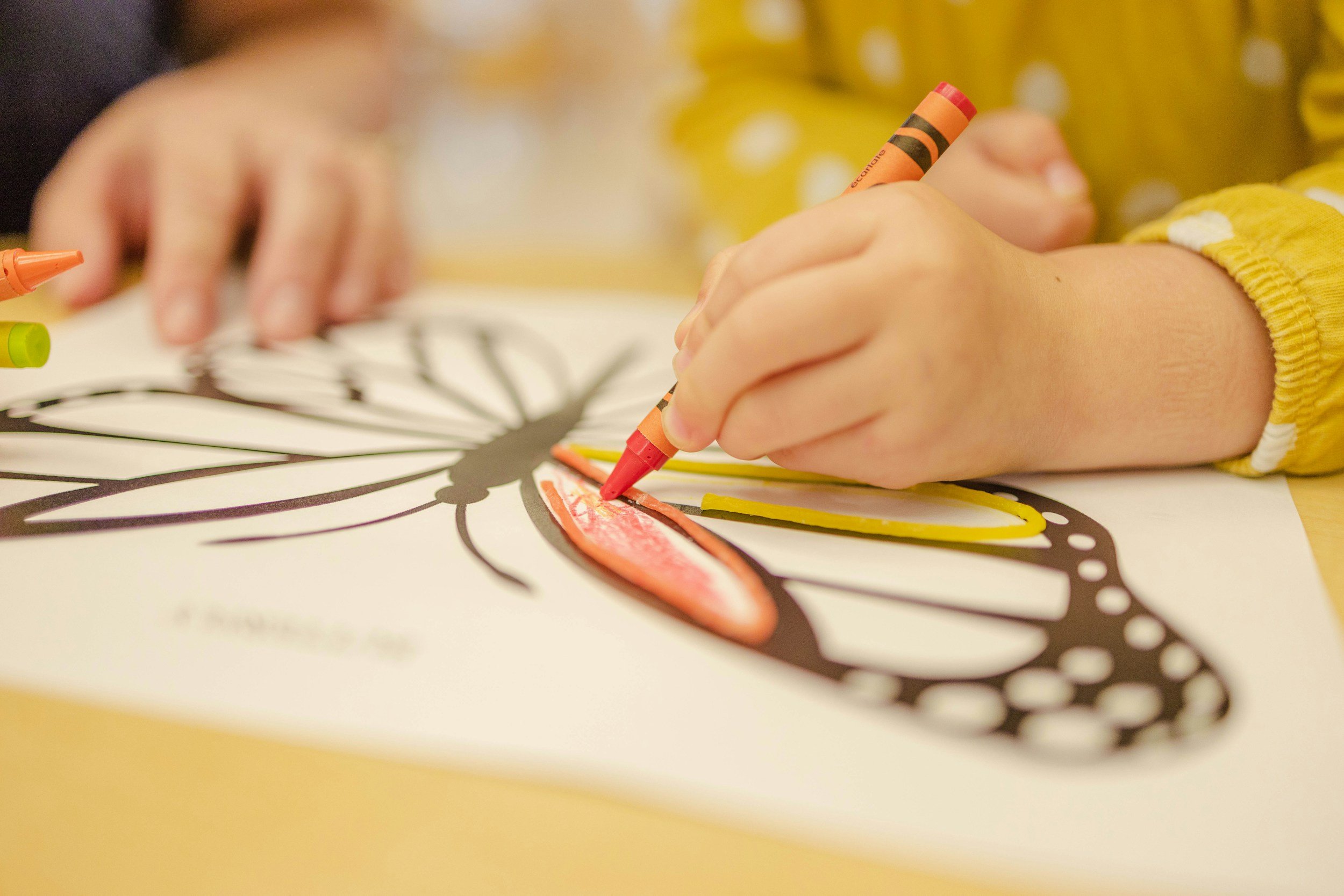
Holding a crayon, forming letters, cutting with scissors, and managing buttons or zippers all require refined hand strength and coordination.
Pre-literacy skills are directly impacted by:
Hand strength
Finger isolation
Pencil grasp development
Hand-eye coordination
Crossing midline
Without these, frustration can quickly replace confidence.
3. Sensory Processing & Emotional Regulation
A classroom is a sensory-rich environment — bright lights, multiple voices, movement, transitions, and noise.
Some children may:
Become overwhelmed or withdrawn
Struggle with impulse control
Seek constant movement
Have difficulty transitioning between activities
Occupational therapy helps children better interpret and respond to sensory input, building regulation skills that allow them to stay calm, engaged, and flexible throughout the day.
4. Executive Functioning
Following directions, organizing materials, waiting turns, and shifting between activities all rely on executive functioning skills.
These are not “behavioral problems” — they are developmental skills that can be nurtured intentionally.
Why Early Intervention Matters
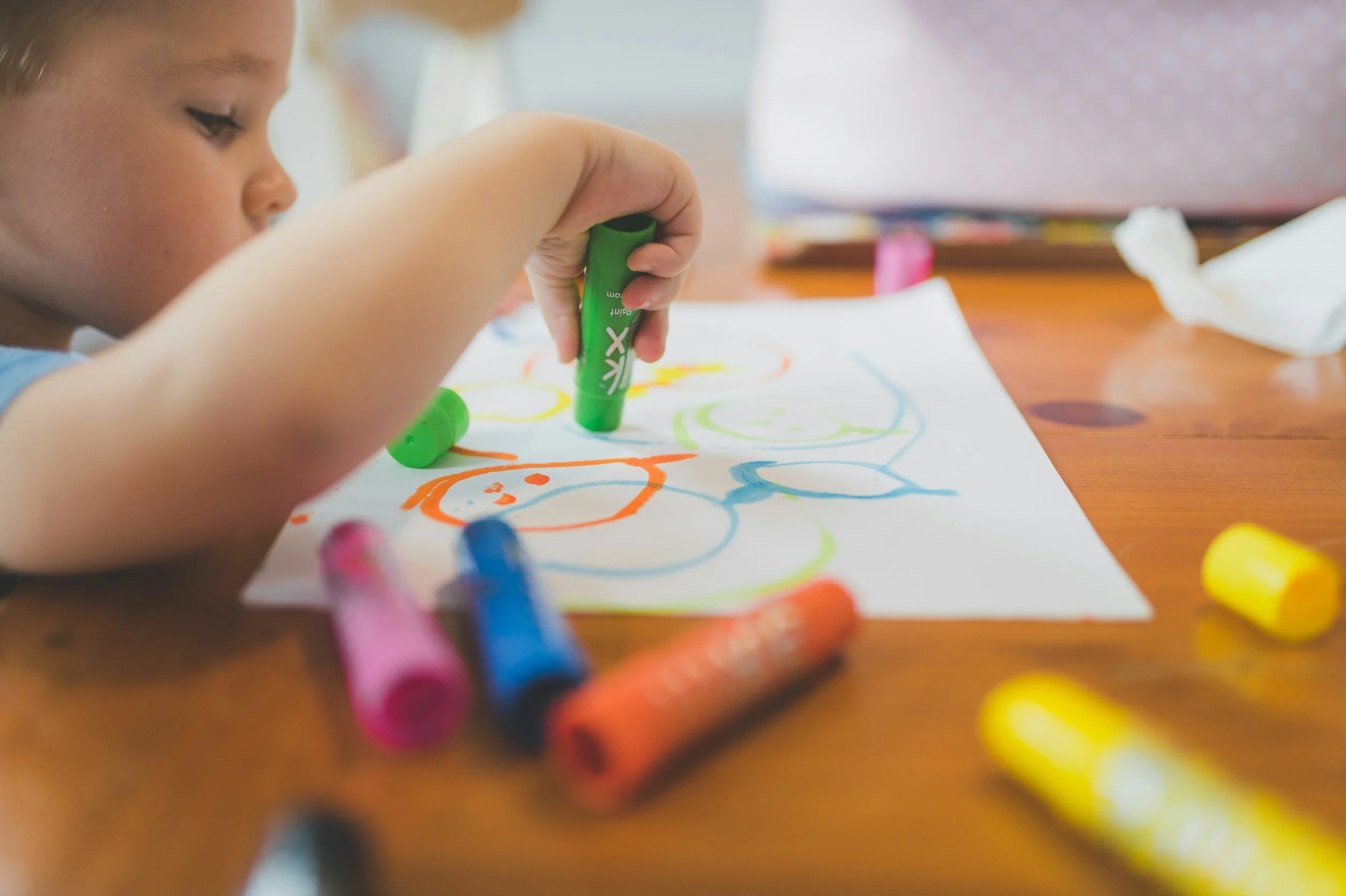
The earlier we strengthen these foundations, the smoother the transition into structured learning environments becomes.
When children enter school with:
Strong bodies
Regulated nervous systems
Confident social skills
Emerging literacy foundations
They are far more likely to experience success — and success breeds motivation.
School readiness is not about pushing academics earlier. It’s about preparing the whole child.
Introducing Our Early Learners Pre-Literacy School Readiness Program
We are so excited to bring these principles to life through our new Early Learners Launchpad Pre-Literacy Program, launching as a pilot session from April 6th through May 27th.
This thoughtfully curated program meets Mondays and Wednesdays from 11:00 AM–2:00 PM and is led by Ms. Amy, Ms. Sarah, and Ms. Danielle in a nurturing, small-group setting.
What makes this program unique?
It is intentionally designed with an occupational therapy-informed lens — meaning we don’t just teach letters and sounds. We build the developmental foundations that make learning stick.
Children will explore:
Pre-literacy foundations through multi-sensory play
Fine motor strengthening embedded in meaningful activities
Social-emotional learning through guided peer interaction
Regulation and sensory exploration
Independence and classroom routines
School preparedness skills in a supportive, confidence-building environment
Every activity is purposeful. Every moment is designed to support growth from the inside out.
Who Is This Program Ideal For?
This program is perfect for children who:
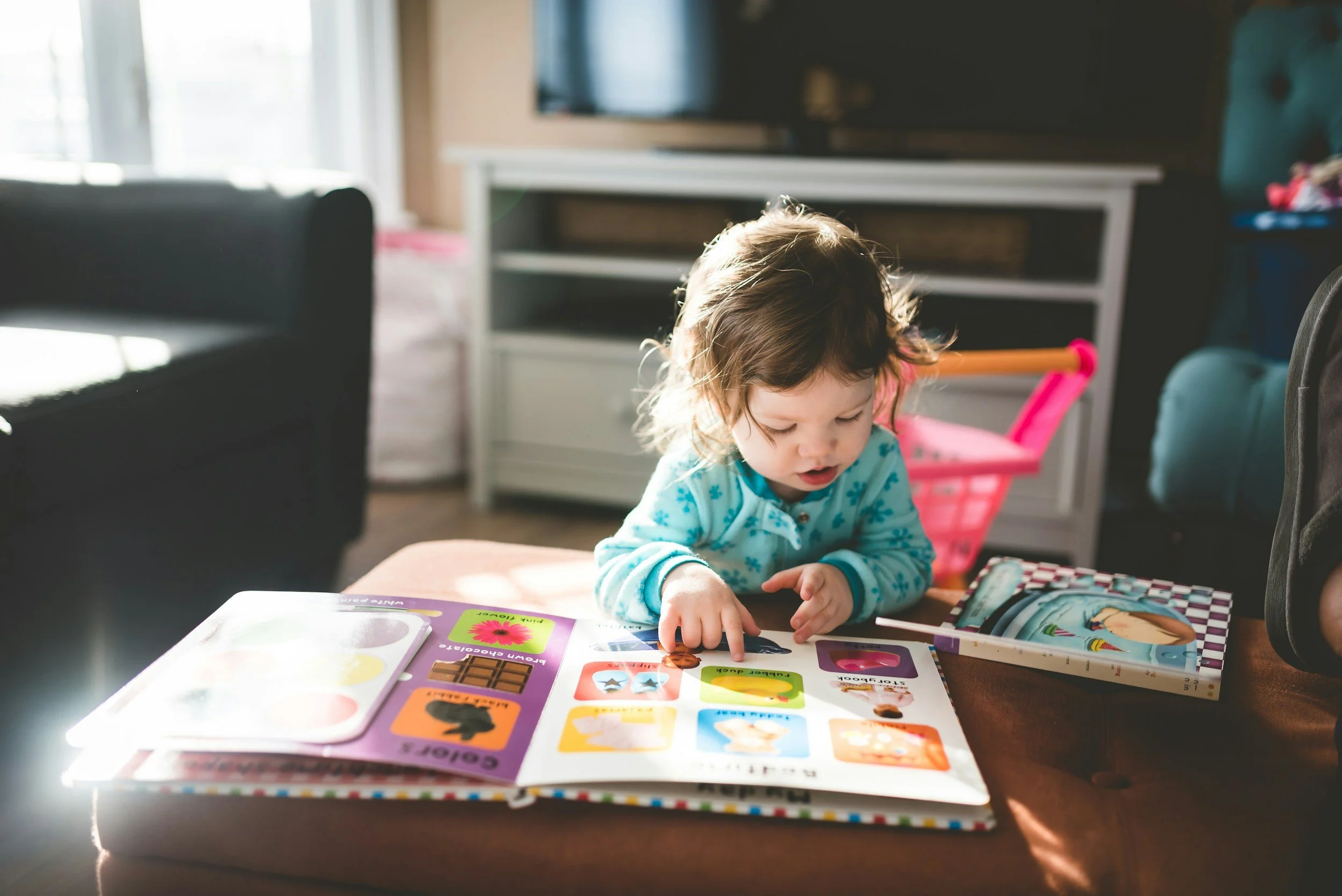
Are preparing for preschool or kindergarten
Would benefit from small-group support
Need strengthening in fine motor or regulation skills
Are shy, hesitant, or still building confidence in peer settings
Thrive with structure but need gentle guidance
Whether your child is already showing strong academic interest or simply needs support developing readiness skills, this group bridges the gap beautifully.
The Bigger Picture
At its core, occupational therapy reminds us that children are not small adults. They develop in layers. When we rush academics without strengthening the foundation, frustration can follow.
But when we build strong sensory systems, confident bodies, capable hands, and regulated nervous systems — academic growth becomes natural and joyful.
School readiness is not about pressure.
It’s about preparation.
It’s about nurturing capable, confident learners who are ready not just to enter school — but to flourish within it.
If you would like more information about our Early Learners Launchpad Pre-Literacy Program or have questions about whether it’s a good fit for your child, we would love to connect with you.
Let’s build strong foundations together.
