
Hormones and Energy: Understanding the Hidden Drivers Behind How You Feel Each Day
Have you ever wondered why some days you wake up feeling energized and motivated, while other days even simple tasks feel exhausting? While sleep, nutrition, and stress all play important roles, one of the most powerful—and often overlooked—factors behind your energy levels is your hormones.

Hormones act as chemical messengers in the body, regulating everything from metabolism and mood to sleep and stamina. When they are balanced, energy flows naturally. When they’re out of sync, fatigue can take over, no matter how much coffee you drink. Understanding the connection between hormones and energy is a key step toward feeling your best.
What Are Hormones and Why Do They Matter?
Hormones are substances released by glands in the endocrine system, including the thyroid, adrenal glands, pancreas, and reproductive organs. Once released, they travel through the bloodstream to signal different systems in the body to act.
Because hormones influence so many bodily functions, even small imbalances can have noticeable effects—especially on energy. Persistent fatigue, brain fog, irritability, or difficulty staying motivated may be your body’s way of signaling that something is off hormonally.
Key Hormones That Influence Energy
While dozens of hormones affect the body, a few play especially important roles in how energized—or drained—you feel.
Cortisol: The Stress and Survival Hormone
Cortisol helps regulate blood sugar, inflammation, and your body’s response to stress. In healthy patterns, cortisol peaks in the morning to help you wake up and gradually declines throughout the day.

Chronic stress, however, can disrupt this rhythm. Constantly elevated cortisol may lead to feelings of burnout, anxiety, and poor sleep, while low cortisol levels can result in sluggishness and difficulty getting going in the morning. Managing stress is essential for maintaining healthy cortisol levels and steady energy.
Thyroid Hormones: Your Metabolic Engine
The thyroid gland produces hormones that regulate metabolism—how efficiently your body converts food into energy. When thyroid hormone levels are too low, the body’s processes slow down, often causing fatigue, weight changes, sensitivity to cold, and brain fog.
Because thyroid issues can develop gradually, many people live with low energy for months or years before realizing hormones may be involved.
Insulin: Blood Sugar Balance and Energy Stability
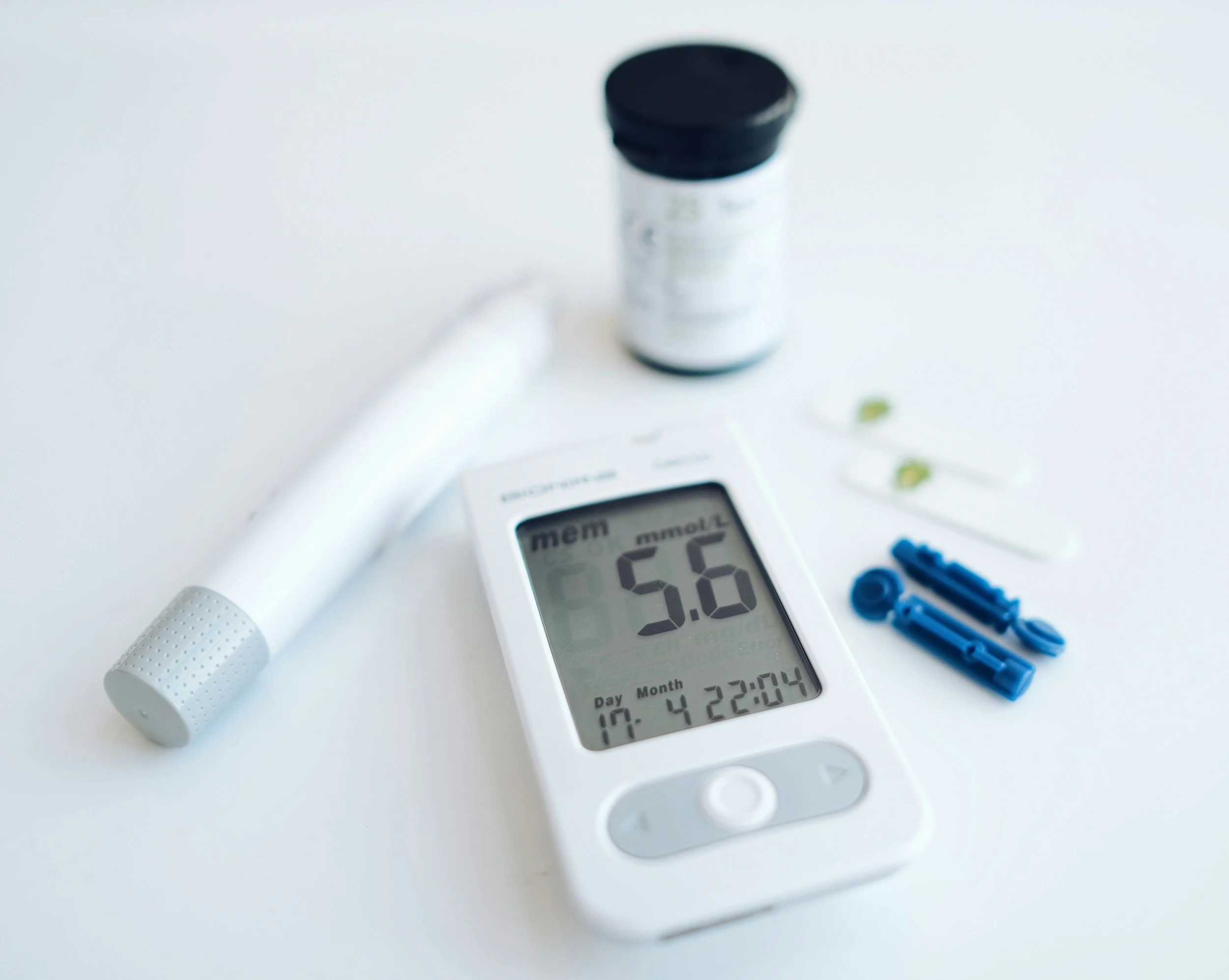
Insulin helps move glucose from the bloodstream into cells, where it’s used for energy. When insulin isn’t working effectively, blood sugar levels can spike and crash, leading to cycles of energy highs and lows.
Frequent sugar cravings, afternoon crashes, and reliance on caffeine can be signs of blood sugar imbalance. Balanced meals and consistent eating patterns play a major role in supporting insulin function.
Sex Hormones: Estrogen, Progesterone, and Testosterone
Sex hormones affect more than reproduction—they also influence energy, mood, muscle mass, and motivation.
Estrogen supports brain function and energy but can cause fatigue when levels fluctuate.
Progesterone has a calming effect and supports sleep; low levels may lead to poor rest and daytime exhaustion.
Testosterone, in all genders, supports strength and vitality; low levels can contribute to low motivation and fatigue.
Hormonal shifts during menstruation, pregnancy, postpartum periods, and menopause often come with noticeable changes in energy levels.
How Hormonal Imbalances Show Up as Fatigue
Hormonal fatigue doesn’t always feel like needing a nap. It can show up as:
Feeling tired even after a full night’s sleep
Difficulty concentrating or remembering things
Loss of motivation or drive
Energy crashes at predictable times of day
Feeling “wired but tired”
Increased reliance on caffeine or sugar
These symptoms are often dismissed as normal or attributed to busy lifestyles, but they may be signs that hormones need attention.
Supporting Hormonal Balance for Better Energy
While hormone health can be complex, everyday habits play a powerful role in supporting balance and energy.
Prioritize Quality Sleep
Sleep is when many hormones reset and repair. Aim for consistent bedtimes, limit screen use before bed, and create a calming nighttime routine to support natural hormone rhythms.
Nourish Your Body
Eating balanced meals with protein, healthy fats, and fiber helps stabilize blood sugar and supports hormone production. Skipping meals or relying on processed foods can lead to energy crashes and hormone disruption.
Manage Stress Intentionally
Chronic stress is one of the biggest disruptors of hormonal balance. Incorporating stress-reducing practices—such as deep breathing, movement, mindfulness, or time outdoors—can have a profound impact on energy levels.
Move Your Body (Without Overdoing It)
Regular movement supports hormone regulation and boosts energy, but excessive or intense exercise without adequate recovery can increase fatigue. Listening to your body is key.
Seek Professional Guidance
If fatigue persists despite lifestyle changes, working with healthcare or wellness professionals can help identify underlying hormonal imbalances and create a personalized plan for support.
The Takeaway: Energy Is a Hormonal Conversation

Energy isn’t just about how much you sleep or what you eat—it’s a conversation happening within your body every day through hormones. When that conversation is balanced and supported, energy feels steady, sustainable, and natural. When it’s disrupted, fatigue can become a constant companion.
By understanding the role hormones play and making intentional choices to support them, you can move toward more consistent energy, improved focus, and a greater sense of well-being. Feeling energized isn’t about pushing harder—it’s about listening to your body and working with it.
