
Why Support, Not Pressure, Builds Lasting Confidence
In today’s fast-paced world, the race to keep up can feel relentless—especially for children and teens. Parents want their kids to succeed. Teachers want their students to thrive. Coaches want their teams to excel. But in the middle of all these good intentions, one crucial truth is often overlooked:
Confidence doesn’t grow from pressure. It grows from support.

In fact, research across child development, psychology, and education consistently shows that high-pressure environments create fear, anxiety, and self-doubt. Supportive environments, on the other hand, create resilience, motivation, and authentic confidence—the kind that lasts long after a challenge is over.
Let’s explore why.
Pressure Creates Performance… But Not Confidence
Pressure can sometimes lead to results: a good test score, a goal in the final minutes of a game, a finished project. But those results are often powered by fear, not confidence.
When a child feels:
“I have to be perfect.”
“If I mess up, I’ll disappoint someone.”
“Mistakes aren’t allowed.”

…the brain shifts into survival mode. Performance might spike temporarily, but confidence takes a hit. Pressure teaches kids that their worth is tied to achievement, not effort or growth.
Over time, this leads to:
Anxiety
Perfectionism
Avoidance of new challenges
Fear of failure
Low intrinsic motivation
A child may perform well, but they don’t believe in themselves—they believe in avoiding mistakes.
Support Creates Safety—and Safety Creates Confidence
Confidence grows when children feel safe to try, safe to fail, and safe to try again.
Support looks like:
Encouragement over evaluation
Empathy over criticism
Guidance instead of control
Curiosity instead of judgment
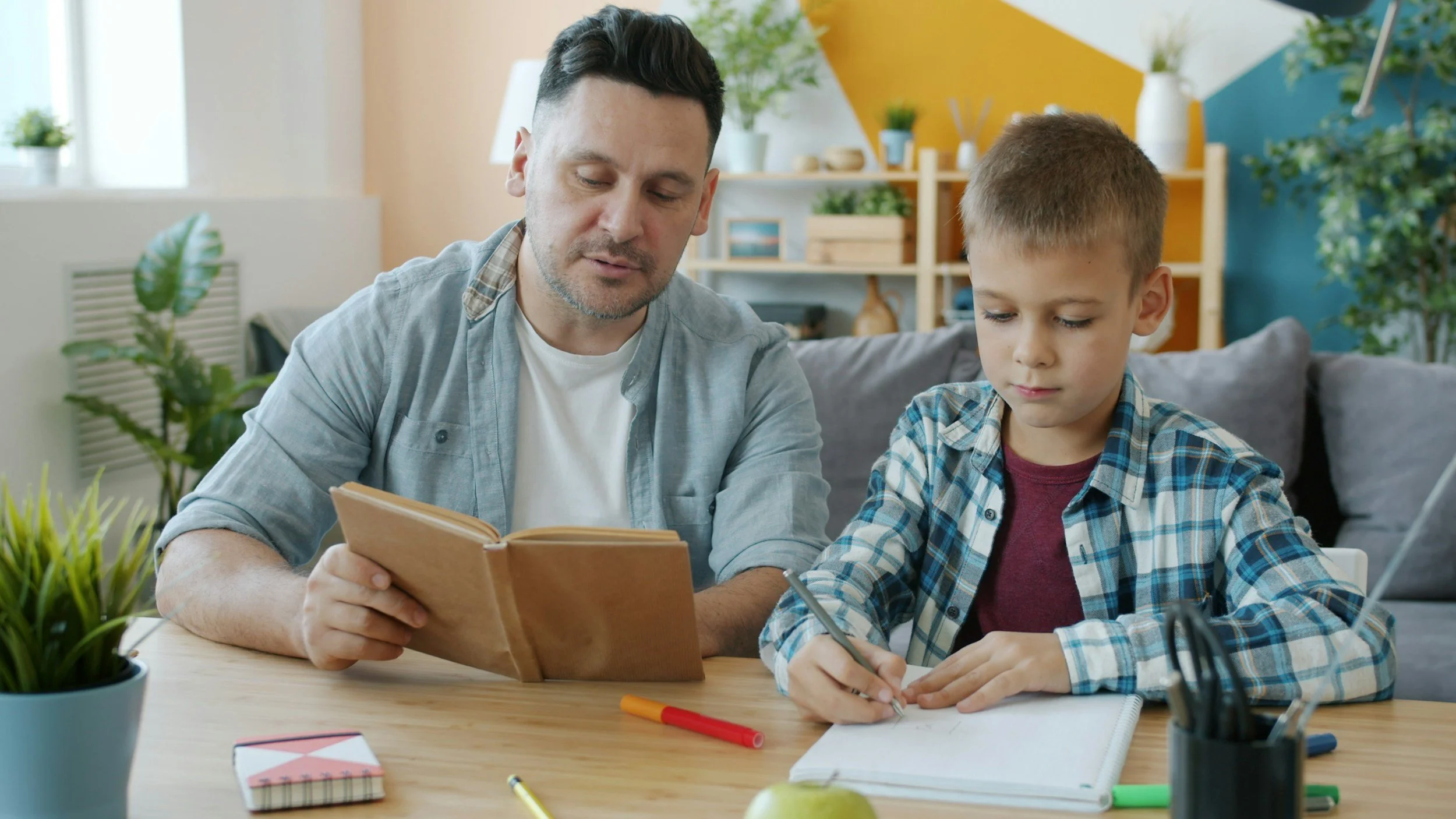
When children know they’re valued for who they are—not what they accomplish—they feel free to explore, learn, and take healthy risks.
A supportive environment teaches:
“Mistakes help me grow.”
“I can try again.”
“I’m capable—even when it’s hard.”
“People around me believe in me.”
This internal belief system forms the foundation of lasting confidence.
The Science Behind Supportive Confidence
Supportive interactions activate the “learning brain”—the part responsible for problem-solving, emotional regulation, and creativity. Psychologists call this a growth-oriented environment.
A few key scientific principles explain why support works so well:
1. The Brain Learns Best in a Low-Stress State
High stress releases cortisol, which affects attention, memory, and emotional control. Support lowers stress, allowing the brain to learn effectively.
2. Support Increases Dopamine
Positive reinforcement, encouragement, and connection release dopamine, the reward chemical that strengthens motivation and persistence.
3. Secure Relationships Build Resilience
Children who feel connected and supported bounce back quicker from setbacks. That resilience becomes the backbone of confidence.
4. Autonomy Creates Internal Motivation
When kids have choices and feel ownership over their goals, they develop real confidence—because they’re not performing for someone else.
How Support Builds the Three Pillars of Lasting Confidence
Lasting confidence rests on three essential pillars:
1. Competence — “I can do it.”
Support builds competence by offering scaffolded help: not doing things for kids, but teaching them how to do things themselves.
2. Autonomy — “I’m in control.”
Pressure removes choice; support offers it. Autonomy builds trust in one’s own judgment.
3. Connection — “I’m not alone.”
Supportive relationships give kids the emotional safety to explore challenges without fear.
When all three pillars are strong, confidence becomes deeply rooted and long-term.
How Adults Can Shift From Pressure to Support
Here are simple, practical ways to nurture confidence—whether you’re a parent, teacher, therapist, or mentor:
✓ Praise the process, not the outcome.
Focus on effort, strategies, and improvement.
✓ Normalize mistakes.
Talk openly about challenges, failures, and learning moments.
✓ Give choices.
Even small choices—like which problem to start with or how to tackle a task—build autonomy.
✓ Be a calm presence.
Children borrow their confidence from adults’ emotional regulation.
✓ Ask questions instead of giving directives.
“What do you think would help here?” invites problem-solving.
✓ Celebrate progress, not perfection.
Confidence grows in the small steps, not the big wins.
Support Builds Kids Who Believe in Themselves

At the end of the day, the goal isn’t to raise or teach children who never struggle. It’s to raise children who believe they can handle struggle. Pressure may produce short-term success, but it doesn’t produce the kind of internal strength kids need to navigate the complexities of life.
Support teaches them:
“I’m capable.”
“I’m resilient.”
“I can grow.”
“I don’t have to be perfect.”
When children feel supported instead of pressured, they don’t just succeed—they thrive.
Have questions regarding your child’s developmental milestones? Click Below.
