
Nourishing Fertility Naturally: A Functional Approach to Egg & Sperm Health
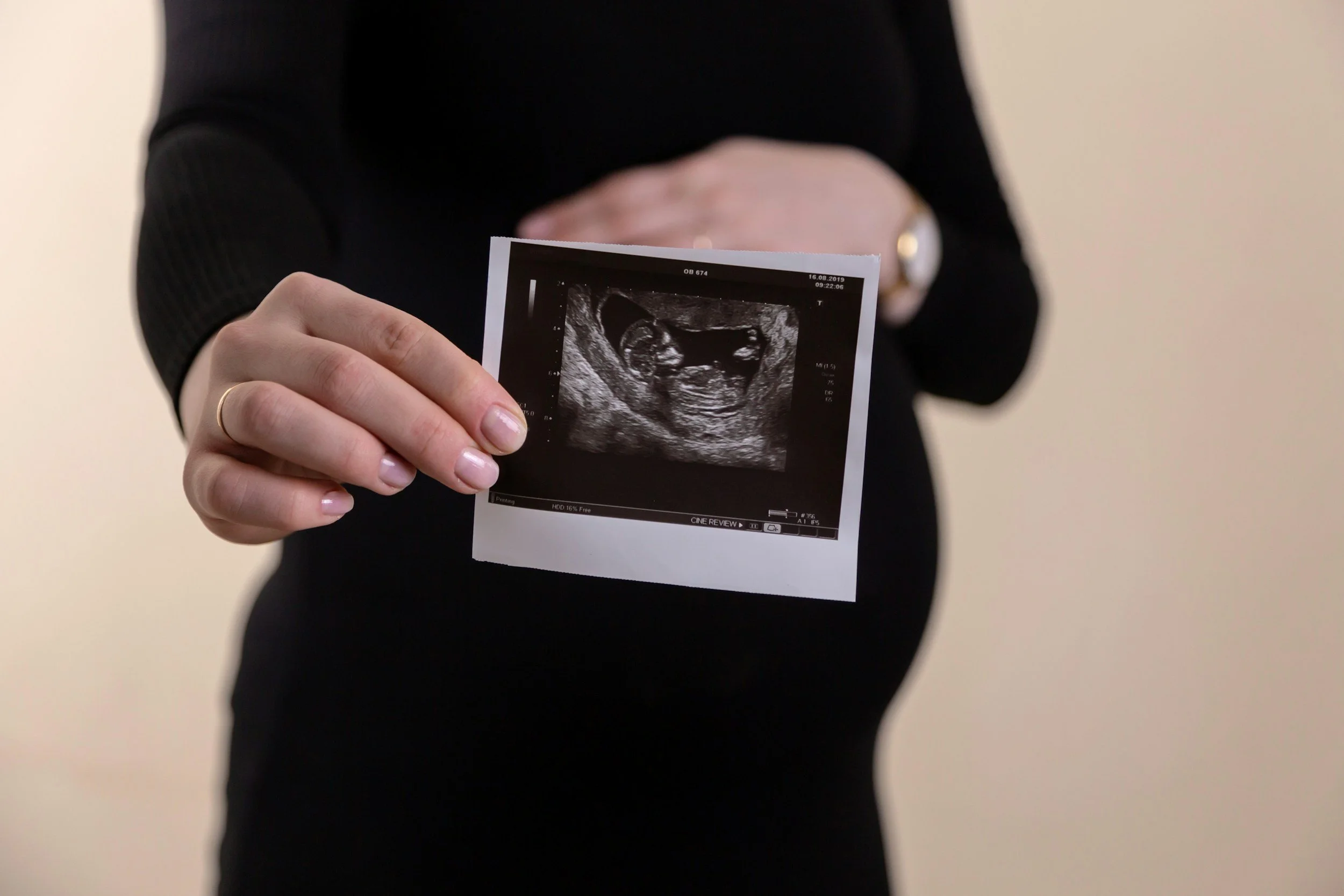
When couples come to us struggling with fertility, the first question we ask isn't "what medications have you tried?" It's "what does your day actually look like?" Because from a functional wellness perspective, fertility is not a single-organ issue — it is a whole-body conversation happening every moment: in your gut, your mitochondria, your adrenal glands, and yes, your nervous system.
The good news? There is so much you can do, starting today, that has a real and meaningful impact on the quality of your eggs and sperm — and on your body's readiness to carry a pregnancy. No extreme protocols, no deprivation. Just intentional, consistent daily choices.
"Egg and sperm health are dynamic, not fixed. Both are sensitive to the environment you create — through food, movement, and how much safety your nervous system feels each day."
Feed the Cell, Not Just the Craving
Egg cells are among the most nutrient-demanding cells in the human body. A human egg takes roughly 90 days to mature — which means what you eat today is already influencing the egg that may be fertilized three months from now. Sperm have a similar 74-day development cycle. This is genuinely hopeful news: you have a real window to make a difference.
From a functional nutrition standpoint, we're focused on reducing oxidative stress, supporting mitochondrial energy production, and keeping inflammation low. Eggs and sperm are both highly vulnerable to oxidative damage, and a diet rich in antioxidants is one of the most evidence-informed tools we have.
Foods That Actively Support Reproductive Health
🫐Antioxidant-Rich Berries
Blueberries, raspberries, and strawberries are loaded with vitamin C and polyphenols that help protect egg and sperm DNA from oxidative damage.
🥬Dark Leafy Greens
Spinach, kale, and Swiss chard provide folate — essential for DNA synthesis and methylation — alongside iron, magnesium, and vitamin K.
🥚Pasture-Raised Eggs
A complete source of choline, B12, and healthy fats that support hormonal balance and are essential for early fetal brain development.
🐟Wild-Caught Fatty Fish
Salmon, sardines, and mackerel deliver DHA — an omega-3 that improves sperm motility and supports the structural integrity of egg cells.
🥑Avocado & Olive Oil
Monounsaturated fats support hormone production and help the body absorb fat-soluble vitamins like A, D, E, and K — all critical for fertility.
🌱Seeds & Nuts
Pumpkin seeds are rich in zinc (essential for sperm production). Walnuts support sperm morphology. Brazil nuts provide selenium, a key antioxidant.
Functional Tip
One of the most overlooked fertility foods is liver (beef or chicken, from a quality source). It's among the most nutrient-dense foods on the planet — packed with B12, folate, copper, retinol, and CoQ10. Even just a small amount once a week can be deeply supportive of reproductive health.
What to Gently Pull Back On
You don't need a perfect diet — you need a better one. Prioritize reducing ultra-processed foods, refined seed oils (canola, soybean, vegetable oil), and excess sugar, all of which drive the inflammation and oxidative stress that compromise egg and sperm quality. Alcohol, even in moderate amounts, is worth taking a break from during your conception window as it impairs hormone balance and depletes B vitamins.
Move Your Body — But Not Too Hard
This is where the functional approach differs from what you might hear elsewhere: when it comes to fertility, more exercise is not always better. Excessive or intense training — particularly high-mileage running, intense CrossFit, or chronic calorie-burning cardio — can suppress reproductive hormones, disrupt the menstrual cycle, and raise cortisol to levels that signal to the body that it is not safe to conceive.
What we do want is consistent, moderate, joy-filling movement that supports circulation to the reproductive organs, regulates blood sugar, reduces inflammation, and keeps your mitochondria thriving.
Ideal Movement for Fertility
The Fertility-Supportive Movement Toolbox
Walking (30–45 min daily) — the most underrated fertility practice. Improves insulin sensitivity, reduces stress hormones, and keeps blood flowing to the pelvis.
Yoga & Pilates — supports core and pelvic floor tone, reduces inflammation markers, and activates the parasympathetic nervous system (more on that below).
Strength training (2–3x/week, moderate intensity) — builds lean mass, supports hormonal signaling, and improves mitochondrial density in muscles.
Swimming or cycling — excellent low-impact cardiovascular options that don't over-stress the adrenal system.
Dance, hiking, recreational sports — movement that brings genuine joy has its own hormonal benefits. Pleasure is not a luxury.
A good guiding rule: if your exercise is leaving you exhausted, disrupting your sleep, or causing you to lose your cycle, it's likely working against your fertility goals rather than for them. Aim for energized — not depleted — as the feeling at the end of each session.
The Nervous System Is the Missing Piece
Here is something that doesn't get nearly enough airtime in fertility conversations: your nervous system has a profound influence on your reproductive hormones. This is not a metaphor. It is physiology.
When your body perceives chronic stress — whether from work, relationships, unresolved grief, financial strain, or even the emotional weight of the fertility journey itself — your hypothalamus and pituitary gland respond. The HPA (hypothalamic-pituitary-adrenal) axis prioritizes survival hormones like cortisol over reproductive hormones like LH, FSH, estrogen, and progesterone. In simple terms: when your nervous system is in a chronic state of threat, your body does not prioritize making a baby.
"A regulated nervous system tells your body: it is safe here. It is safe to ovulate. It is safe to carry life. That signal — felt, not just thought — is one of the most powerful fertility tools available."
Practices That Support Nervous System Regulation
Daily Regulation Practices
Physiological sigh (box breathing 4-4-4-4) — two inhales through the nose followed by a long exhale triggers an immediate shift toward parasympathetic tone. Do this before meals and before sleep.
Cold/warm contrast showers — ending a shower with 30–60 seconds of cooler water activates the vagus nerve and trains the nervous system toward resilience.
Somatic practices — gentle shaking, trauma-informed yoga, body scans, and TRE (tension releasing exercises) help discharge stored stress from the body's tissues.
Gentle morning sunlight — 10 minutes of natural light exposure within an hour of waking regulates cortisol rhythms and supports melatonin production at night, both of which influence hormonal balance.
Vagal toning — humming, singing, gargling, and even laughing stimulate the vagus nerve, shifting the body toward rest-and-digest mode.
Therapeutic support — working with a therapist, somatic practitioner, or nervous system coach to process the grief and anxiety of the fertility journey is not optional "extra" care. It is core care.
One of the most important things we want our patients to understand is this: the stress of trying to conceive is real, and it can become part of what is keeping conception at bay. This is not your fault — it is biology. And it means that caring for your emotional and nervous system health is genuinely part of your fertility protocol, not separate from it.
✦Putting It All Together
The beautiful thing about this functional approach is that none of it is extreme, and all of it is cumulative. Each anti-inflammatory meal, each walk, each intentional breath is a small vote for your body's readiness. These choices compound over the 90-day egg and sperm development window in ways that conventional medicine often underestimates.
You don't have to do everything perfectly. You have to do something — consistently, gently, and with genuine care for your body rather than frustration at it. That shift in relationship with your own physiology is often, itself, part of what changes things.
If you're navigating the fertility journey and want individualized functional support — including hormone labs, nutritional guidance, and nervous system care — our team at All Together Wellness would love to walk alongside you. This is exactly the kind of whole-person, root-cause work we do.
Ready to Support Your Fertility Naturally?
Book a free consultation with our functional wellness team and let's build a personalized plan rooted in your whole health.
