
Baby Containers and Infant Motor Development
A Pediatric Physical Therapist Explains What Parents Need to Know
If you’ve ever searched “Are baby containers bad?”, “How much tummy time does my baby need?”, or “Will a jumper delay my baby’s development?” — you’re not alone.
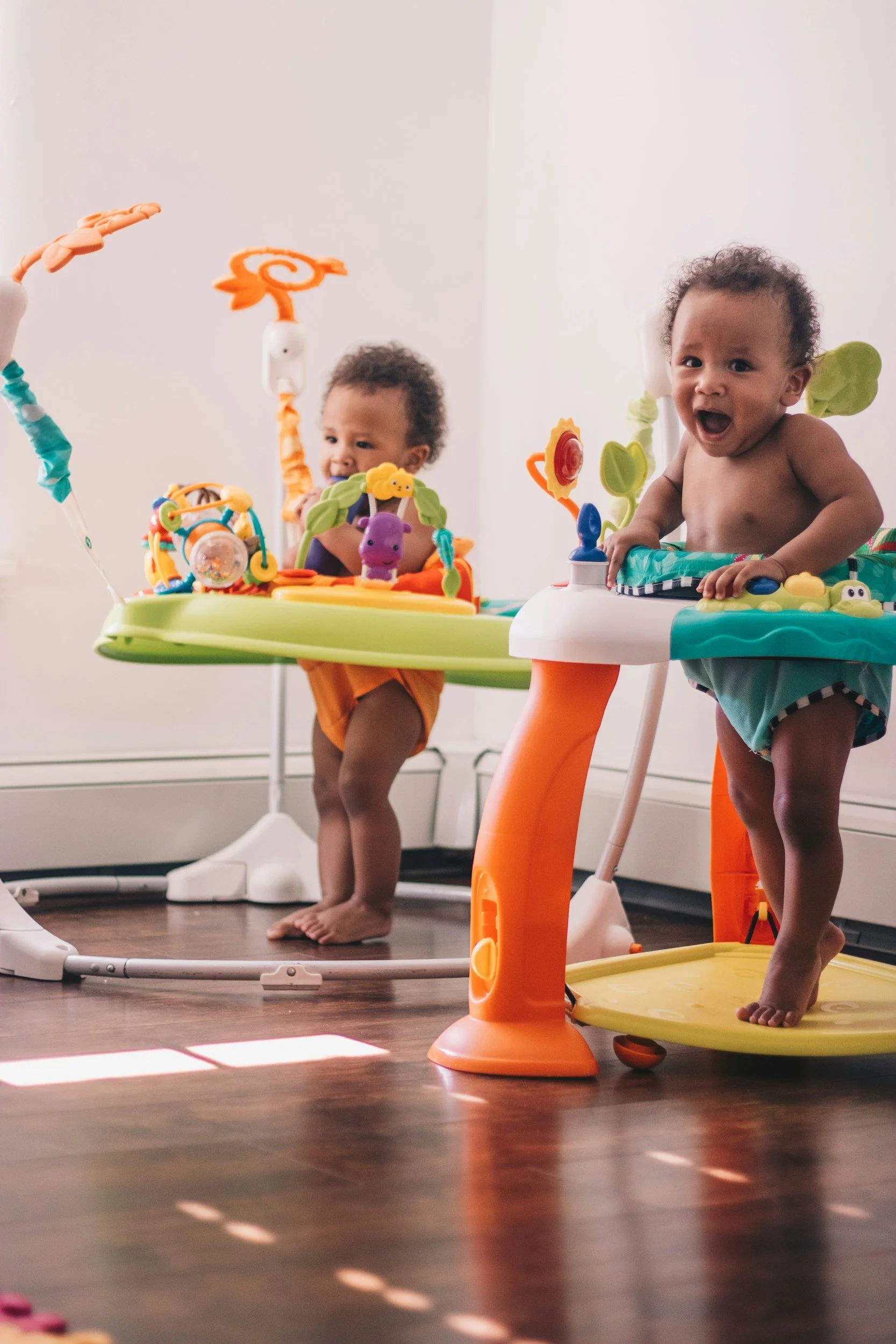
Baby containers are everywhere. Swings, bouncers, floor seats, activity centers, jumpers — they’re marketed as tools to help babies play, soothe, and “learn.” And as a pediatric physical therapy clinical specialist and a mom, I understand why parents use them. Caregivers need their hands free sometimes. Life is busy. Babies have needs — and so do parents.
But here’s the truth most parents aren’t told clearly enough:
👉 How and how often your baby moves matters more than any baby gear you buy.
This guide will help you understand:
How baby containers impact motor development
Why floor time is essential for strength, coordination, and milestones
Which containers are most concerning from a developmental standpoint
How to use containers without compromising your baby’s development
When a pediatric physical therapist should be part of your child’s care team
Why Floor Time Is Essential for Infant Motor Development
From a developmental standpoint, the floor is where babies build their brains and bodies.
When babies spend time freely moving on the floor, they are able to:
Move without external support or restriction
Build core strength, neck control, and postural stability
Practice rolling, pivoting, reaching, and weight shifting
Develop body awareness and coordination
Learn how to transition between positions
Build the foundation for sitting, crawling, standing, and walking
These early movement experiences directly support:
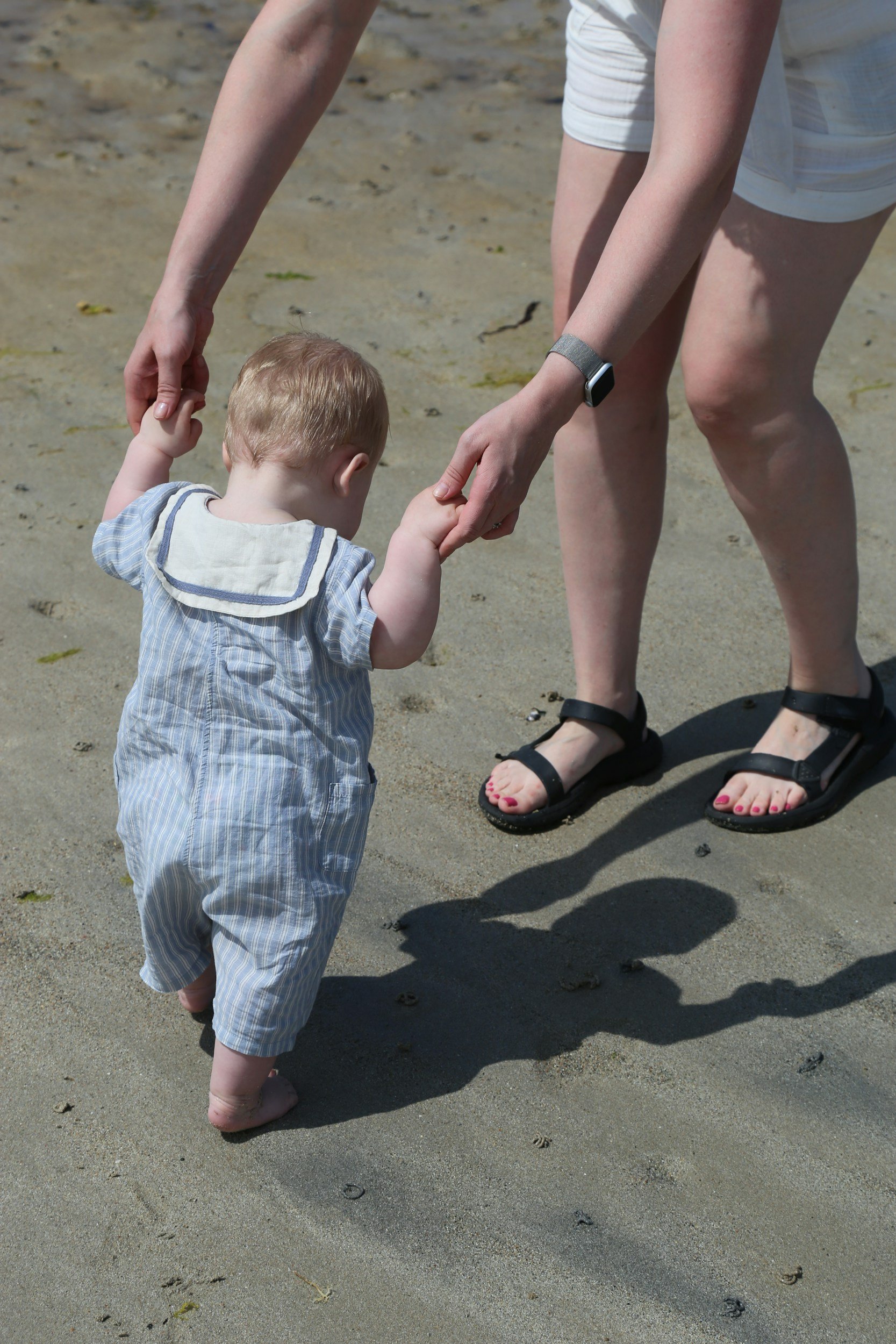
Balance and coordination
Muscle symmetry
Joint alignment
Motor planning
Nervous system development
💡 Motor milestones don’t just “happen.” They are built through repetition, exploration, and freedom of movement.
This is why floor time should make up the majority of your baby’s awake playtime, especially in the first year of life.
What Are Baby Containers?
In pediatric physical therapy, we define baby containers as devices that place an infant into a position they cannot get into — or out of — independently.
Common examples include:
Swings
Bouncers
Floor seats (such as Bumbo-style seats)
Activity centers
Jumpers or jumper-style devices
Exersaucers
While containers can be helpful short-term, problems arise when they are used:
Too early
Too often
For long periods
As a replacement for floor play
When babies spend excessive time in containers, they miss critical opportunities to move, explore, and develop foundational motor skills.
The Hidden Developmental Risks of Overusing Baby Containers
Parents often ask:
“If my baby likes it, isn’t it good for them?”
Not necessarily.
From a motor development perspective, prolonged container use can:
Limit core muscle activation
Reduce opportunities for weight shifting and rotation
Encourage passive rather than active movement
Reinforce compensatory movement patterns
Delay strength development needed for milestones
Babies develop through movement, not positioning. Being placed into a position before they are developmentally ready can interfere with how their muscles and nervous system organize movement.
Proper Positioning Guidelines When Using Baby Containers
Sometimes containers are unavoidable — and that’s okay. The goal isn’t perfection; it’s intentional use.
If you are using a baby container, proper positioning is critical.
Key developmental guidelines include:
A neutral spine (no slouching or excessive rounding)
Avoiding upright sitting before your baby can sit independently
Adequate hip and trunk support without forcing posture
In standing or activity devices, ensuring both feet are flat and supported
🚫 Babies should never be placed into positions they don’t yet have the strength or control to maintain on their own.
Doing so may lead to:
Trunk stiffness
Toe-standing patterns
Asymmetrical posture
Delayed postural control
Containers That Are NOT Developmentally Recommended
From a pediatric physical therapy perspective, certain containers raise consistent concerns.
🚫 Jumper-Style Devices (Jolly Jumpers, Doorway Jumpers)
These devices often:
Encourage toe-walking patterns
Promote stiff leg extension
Reduce core engagement
Place stress on developing hips, knees, and ankles
🚫 Exersaucers & Stationary Activity Jumpers
These can:
Encourage premature standing
Limit trunk muscle activation
Restrict natural weight shifting
Reinforce poor postural alignment
🚫 Floor Seats (Bumbo-Style Seats)
These seats:
Place babies into sitting before readiness
Limit trunk movement
Encourage slouched posture
Reduce opportunities for core strength development
💡 Just because a baby can be placed into a position doesn’t mean their body is ready for it.
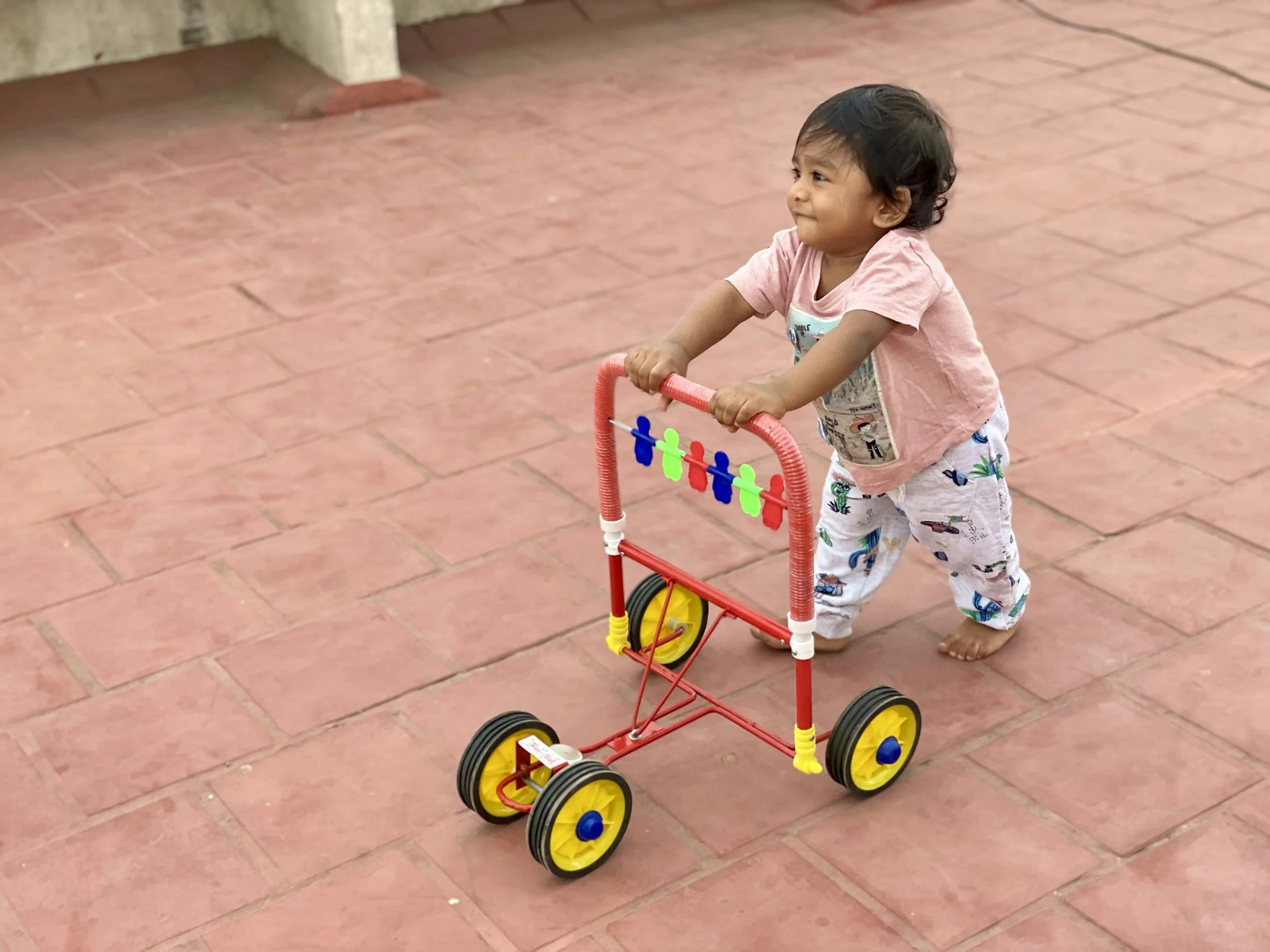
What About Activity Centers?
If families choose to use an activity center:
Feet must be flat on the surface (not dangling or tiptoeing)
The baby should not be suspended
Use should be brief and closely monitored
It should never replace floor play
Think of activity centers as occasional tools, not developmental necessities.
What I Recommend Clinically — and What I Use at Home
As a pediatric physical therapist and a parent, my approach is rooted in balance, realism, and evidence-based care.
In both clinical practice and my own home, the focus is on:
Frequent floor play (tummy time, side-lying, rolling, reaching)
Play on a flat, firm surface such as a mat or blanket
Encouraging exploration in multiple positions throughout the day
Limiting container use to short, intentional periods
Yes — I use a bouncer occasionally. My child enjoys it, practices reaching and visual tracking, and it allows me to complete daily tasks. But it is never a substitute for movement, and it is never used for extended periods.
The goal isn’t eliminating containers — it’s prioritizing movement first.
When Should Parents Be Concerned?
You may want to consult a pediatric physical therapist if you notice:
Flat spots on the head (plagiocephaly)
Preference for turning the head one direction (torticollis)
Delayed rolling, sitting, crawling, or standing
Stiff or floppy movement patterns
Toe-standing or asymmetrical posture
Fussiness or resistance during floor play
Early support can make a significant difference — often preventing bigger challenges later.
Key Takeaways for Parents
✔ Floor time is the foundation of infant motor development
✔ Baby containers should be used sparingly and purposefully
✔ Proper positioning matters when containers are used
✔ Some containers are not developmentally supportive
✔ Informed choices support stronger, more confident movers
Why a Pediatric Physical Therapist Should Be on Your Child’s Developmental Team
Here’s what I want parents to understand:
👉 You don’t have to wait for a delay to seek support.
A pediatric physical therapist doesn’t just treat problems — we:
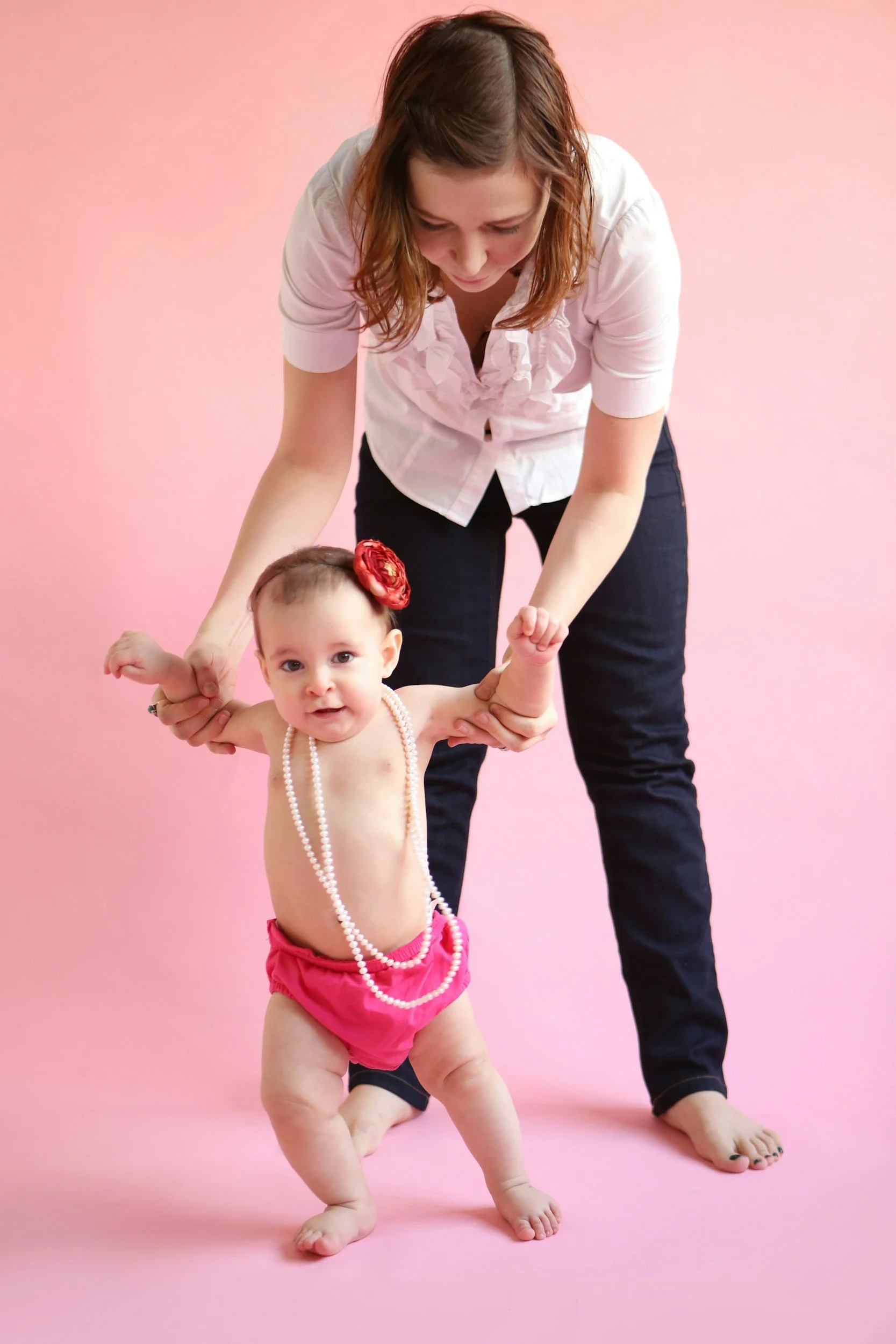
Assess movement quality, not just milestones
Identify early signs of motor inefficiency
Provide guidance tailored to your baby
Help you feel confident in everyday choices
Support optimal development from the very beginning
Your child’s development is not something to “wait and see” about.
Call to Action: Don’t Leave Development to Chance
If you have questions about:
Baby containers
Tummy time
Motor milestones
Head shape, posture, or movement patterns
Having a pediatric PT on your child’s developmental team ensures your baby is building strength, coordination, and confidence — from the ground up.
Early guidance matters. Intentional movement matters. Your child deserves expert support.